Home → Episodes → Candidate for Crime
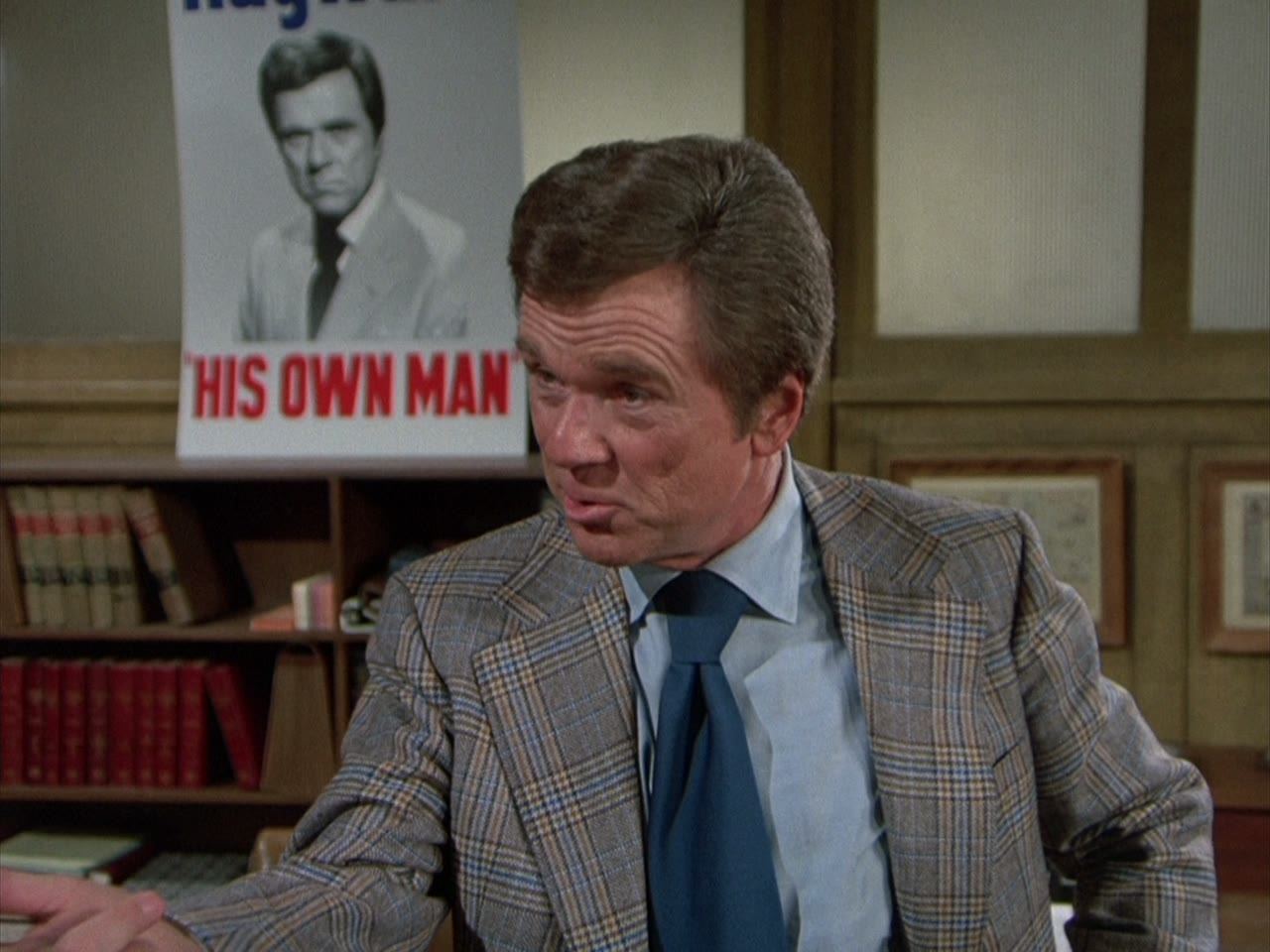
Candidate for Crime
Russian title: Кандидат на убийство · Russian version
A senatorial candidate murders his own campaign manager and disguises it as a political assassination aimed at himself. The most cynical killer of the third season, and the most familiar.
Editor’s rating — 8 out of 10.
- Number
- 20 of 69
- Aired
- November 4, 1973
- Running time
- 94 min
- Director
- Boris Sagal
- Writer
- Larry Cohen / Irving Pearlberg and Alvin R. Friedman and Roland Kibbee & Dean Hargrove
- Music
- Dick DeBenedictis
The case
- The killer
- Jackie Cooper as Nelson Hayward
- The victim
- Ken Swofford as Harry Stone
- Guest cast
- Jackie Cooper, Tisha Sterling, Jack Riley, Katey Sagal, Joanne Linville, Ken Swofford
Columbo is an inverted mystery: the murder opens the film and the killer is known from the first minutes. What you are watching for is how he proves it — see how the character works.
The murder
Nelson Hayward is running for the Senate and is being run by Harry Stone, the manager who made him and who knows exactly which compromises got him here. Stone wants control of what happens after the election; Hayward wants to be his own man, which in his case means being nobody's witness.
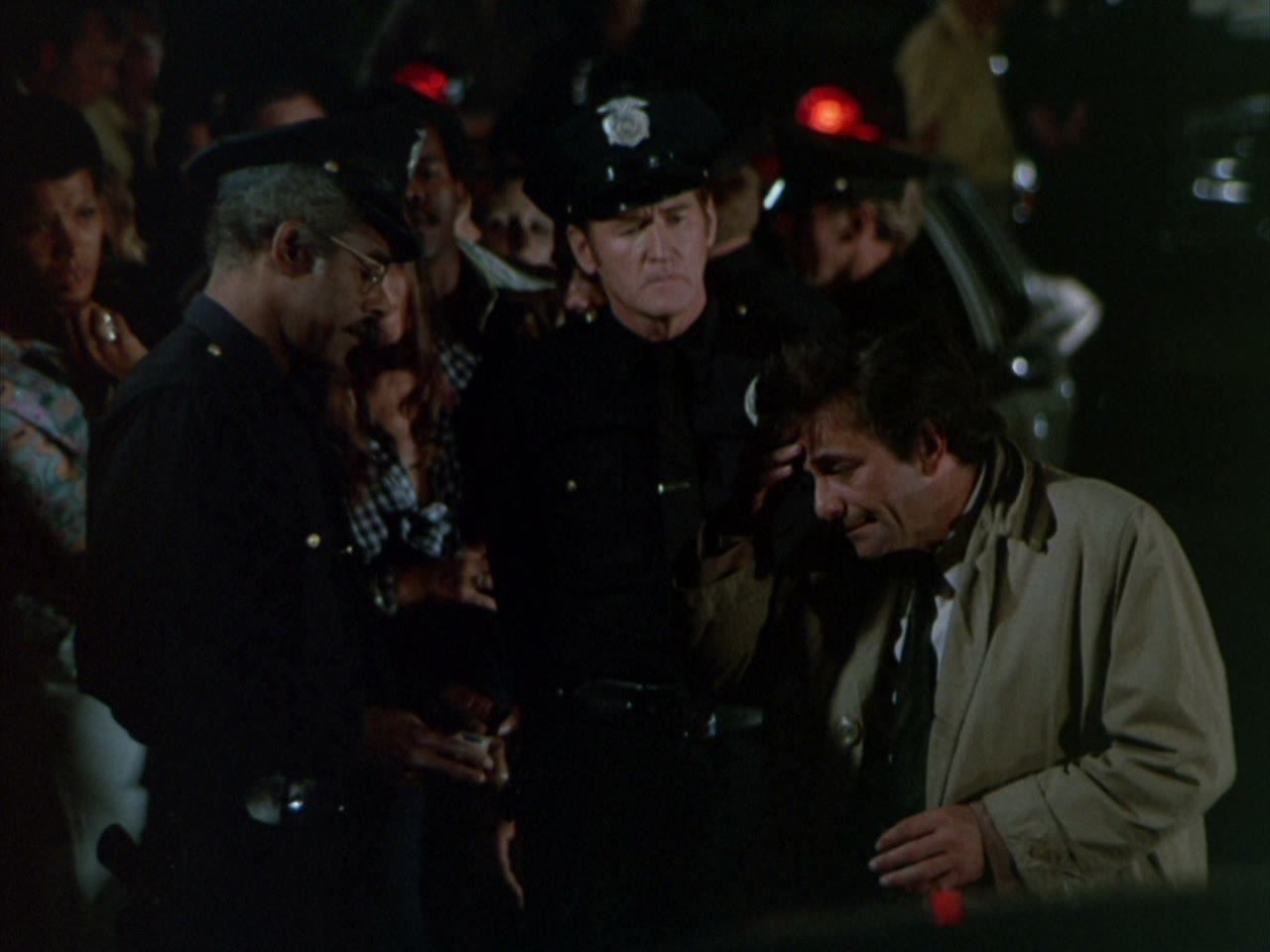
The plan uses the campaign's own security theatre. There have been threats against the candidate, so Hayward manufactures another one, then shoots Stone while the manager is wearing his coat and driving his car — an assassination attempt that hit the wrong target.
It is an efficient piece of political engineering: the killing removes his problem and generates a wave of public sympathy at exactly the right point in the campaign. Hayward is the rare Columbo murderer who profits twice from the same corpse.
Nelson Hayward is running for the Senate and is entirely the product of his campaign manager. Harry Stone made him, arranged the compromises that got him here, and expects to control what happens afterwards.
Hayward wants to be his own man, which in his case means being nobody's witness. The threats already made against the campaign give him the material: he manufactures another one, then shoots Stone while the manager is wearing his coat and driving his car.
The result is an assassination attempt that hit the wrong target — a killing that removes his problem and generates a wave of public sympathy at precisely the right point in the race.
How Columbo gets him
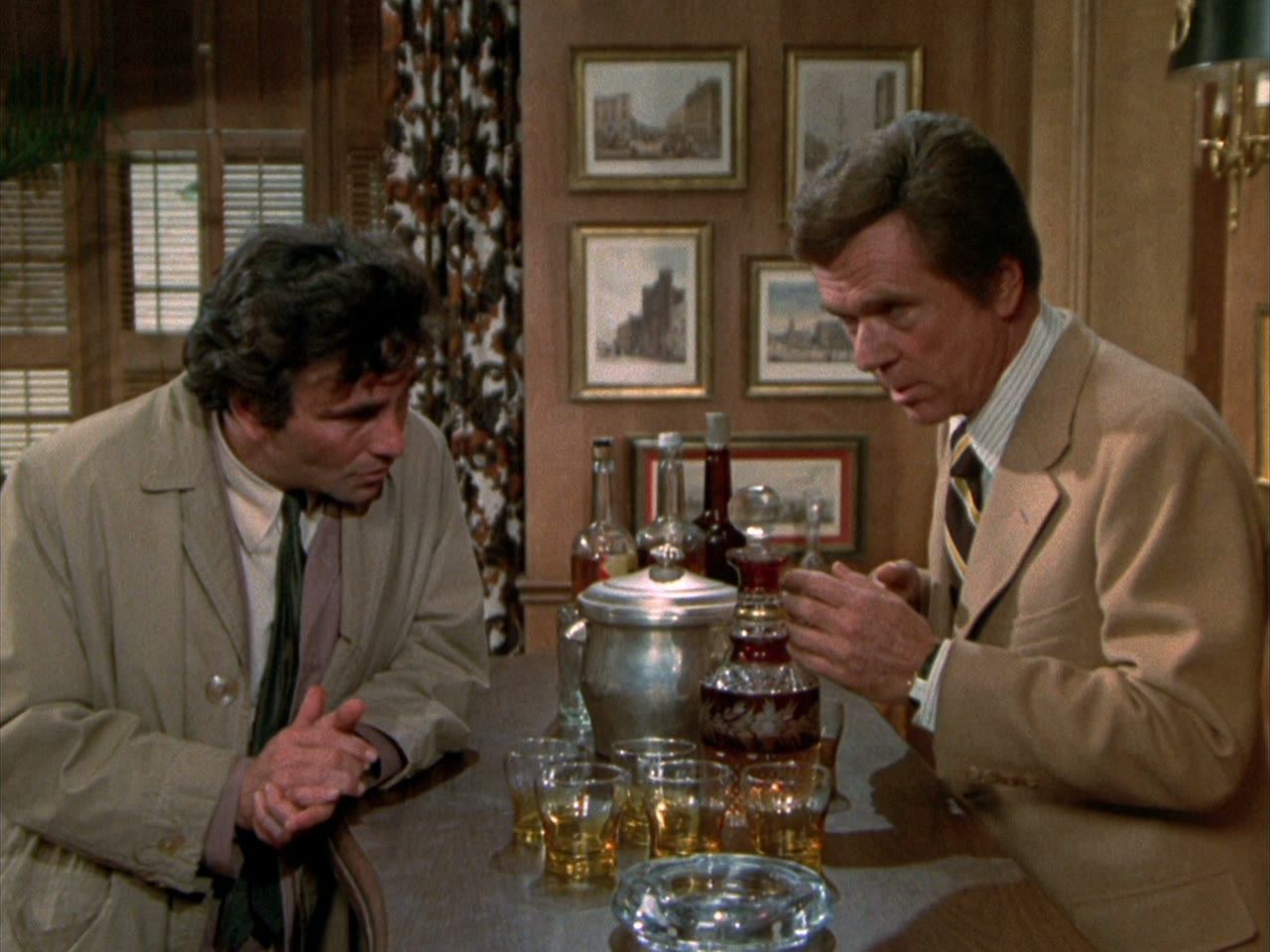
The episode is unusually interested in the machinery around the killer. Hayward is never alone: there are aides, press officers, a wife who knows more than she says, and a schedule that makes an ordinary interview almost impossible to arrange. Columbo has to investigate a man who is professionally surrounded.
The staged threat is where it unravels. A telephoned warning was recorded before the shooting, and the lieutenant becomes very interested in when exactly the recording was made and who had access to the machine.
There is also the matter of the coat. If the shooter believed he was killing the candidate, he shot a man in a garage in poor light from a distance at which the mistake makes sense — but the shots are grouped in a way that suggests someone who was not in any doubt at all.
The film is unusually interested in the machinery around the murderer. Hayward is never alone: aides, press officers, a wife who knows more than she says, and a schedule that makes an ordinary interview nearly impossible to arrange.
The staged threat is where it unravels. A telephoned warning was recorded, and Columbo becomes very interested in when the recording was made and who had access to the machine.
There is also the shooting itself. A gunman who believed he was killing the candidate, in poor light, at that distance, would not group his shots the way this one did.
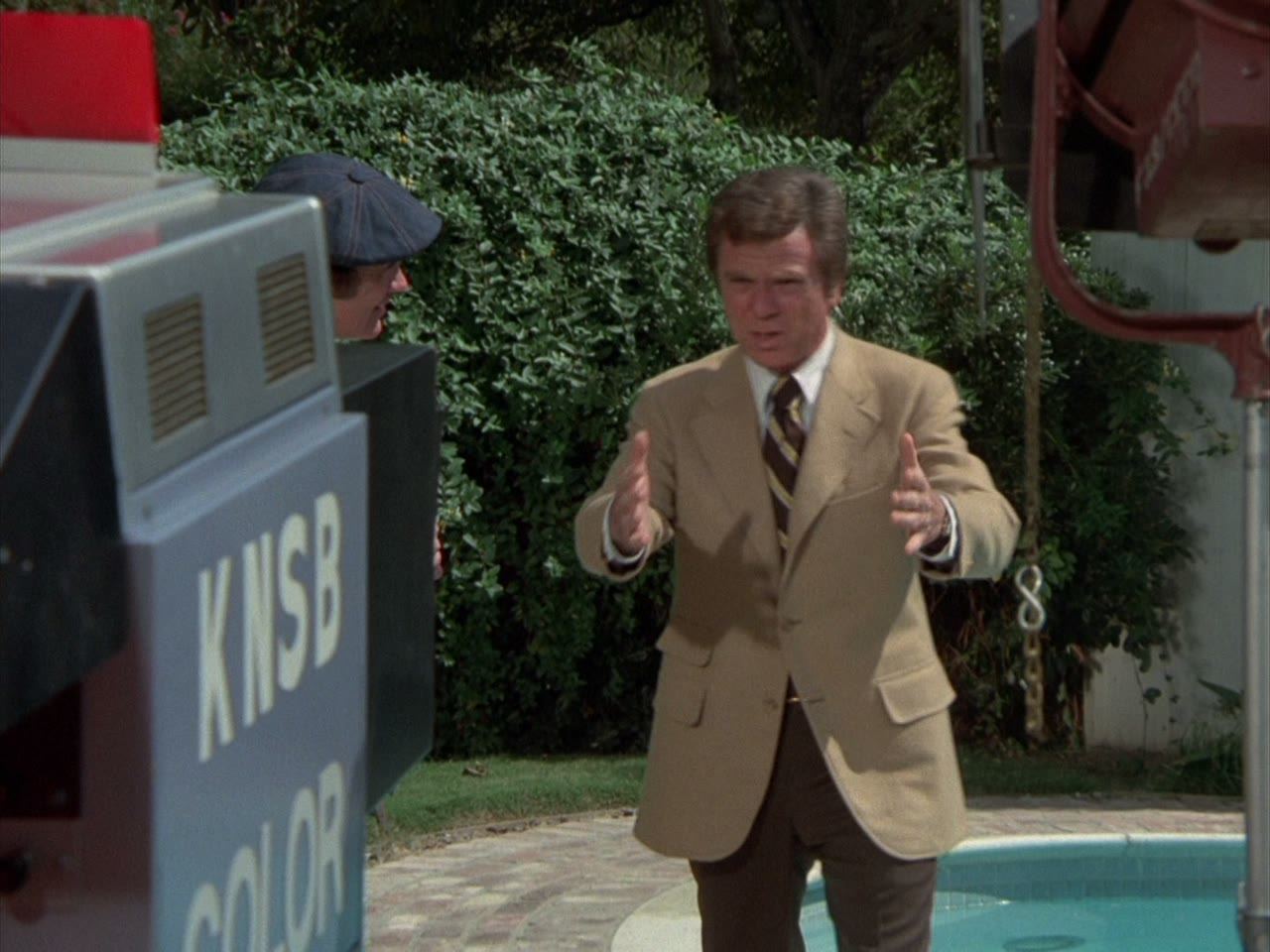
Worth knowing
- Jackie Cooper, a child star of the 1930s, plays Hayward as a man who has been performing for so long that sincerity is just another mode.
- The episode is one of several in the run to use political corruption as a background rather than a subject — the campaign is the setting, not the point.
- Directed by Boris Sagal, his second of three.
- Jackie Cooper, a child star of the 1930s, plays Hayward as a man who has performed sincerity so long that he no longer has another mode.
- The episode uses political corruption as background rather than subject; the campaign is the setting, not the target.
- Directed by Boris Sagal; broadcast November 1973.
Verdict
Solid rather than special, and interesting mostly for the setting: this is the only Columbo where the murderer's real defence is that too many people need him to be innocent.
The final confrontation is unusually flat by design — Hayward does not crumble, he calculates, right up to the last line.
Solid rather than special, and notable mainly for the one thing it does differently: Hayward's real defence is that too many people need him to be innocent.
The final confrontation is deliberately flat. He does not crumble — he calculates, right through the last line.
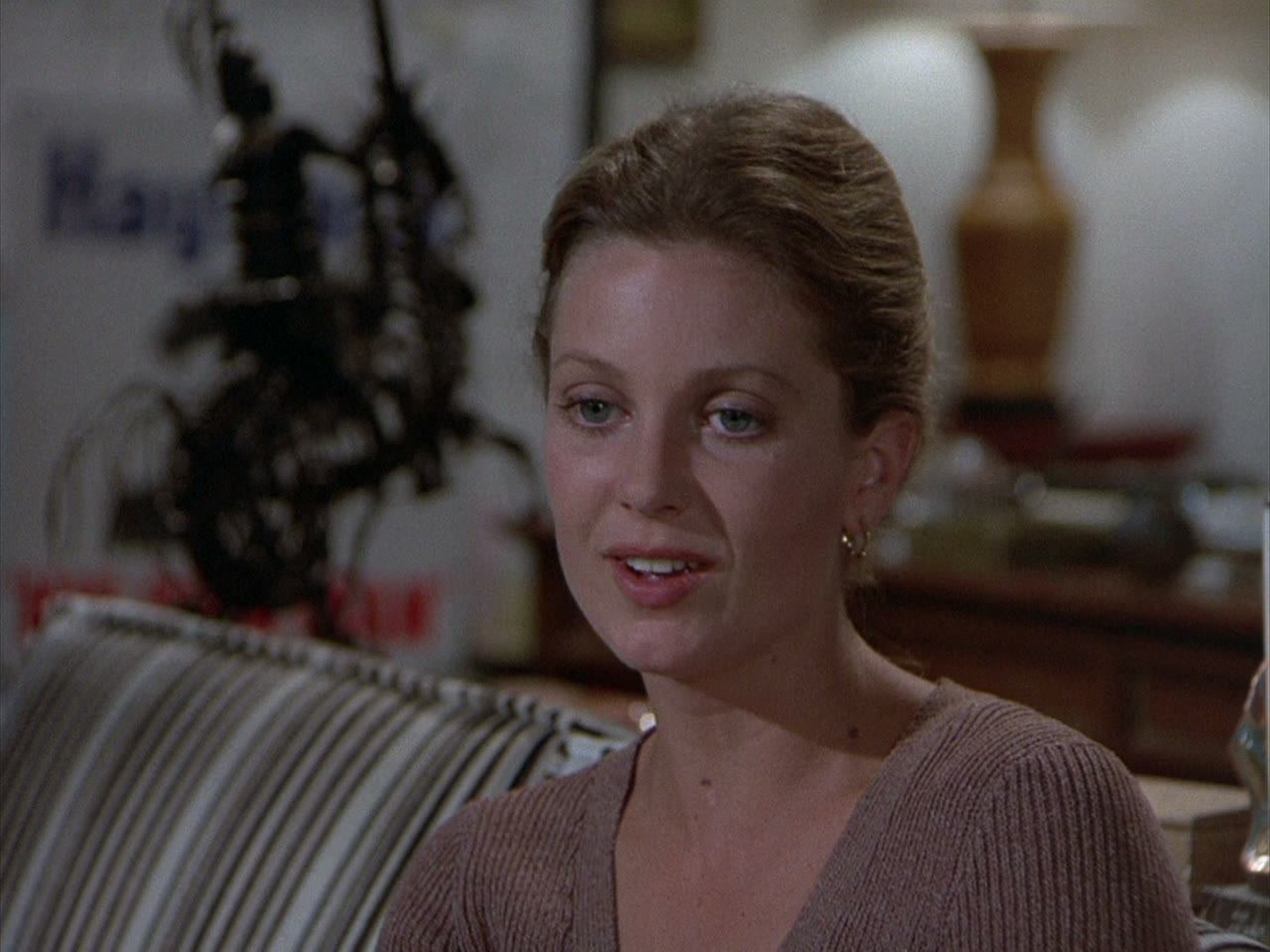
Familiar faces
Actors who turn up in the series more than once — sometimes in very different parts.
- Vito Scotti as Chadwick 6 episodes also in Any Old Port in a Storm, Swan Song, Negative Reaction, Identity Crisis, Murder, A Self Portrait
- Robert Karnes as Sergeant Vernon 2 episodes also in The Greenhouse Jungle
- Jay Varela as Sergeant Rojas 2 episodes also in A Case of Immunity
- Regis Cordic as Deputy Commissioner 2 episodes also in Any Old Port in a Storm
- Jude Farese as Highway Patrolman 2 episodes also in An Exercise in Fatality
- Clete Roberts as TV Anchor Man 2 episodes also in Dead Weight
- Lew Brown as Detective #2 2 episodes also in Short Fuse
- Don Diamond as Larry 2 episodes also in Mind Over Mayhem
- Lucille Meredith as Lucy 2 episodes also in Swan Song
- Larry Burrell as Self, as Newsman 2 episodes also in Swan Song
Cast data from TMDB, including uncredited bit parts. All the familiar faces →