Dead Weight
Russian title: Мёртвый груз · Russian version
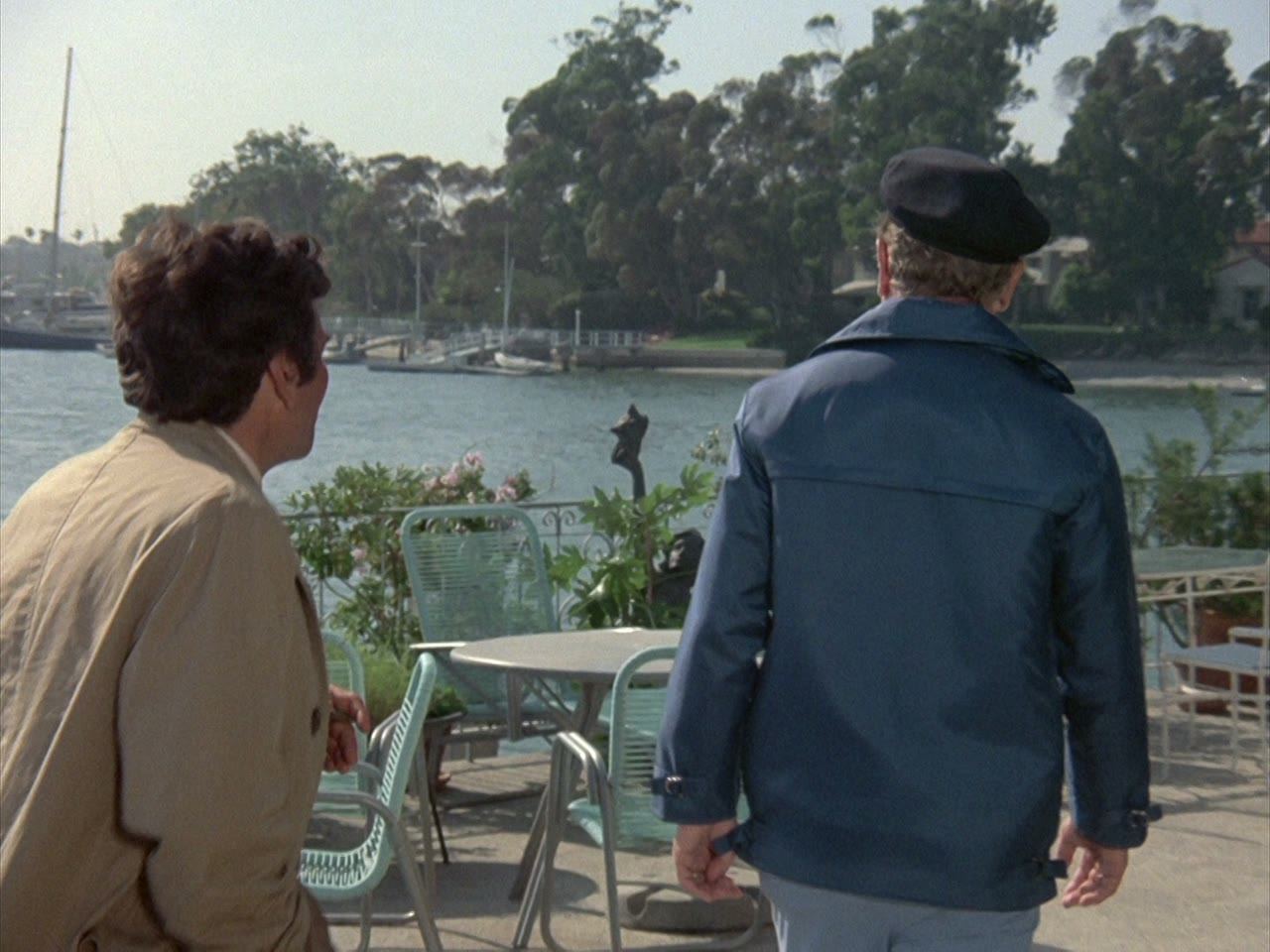
A decorated Marine general is seen shooting a man through the window of his own house — by a woman on a passing boat. Nobody believes her, including her mother. Columbo believes her, and that is the whole film.
Editor’s rating — 7 out of 10.
- Number
- 5 of 69
- Aired
- October 27, 1971
- Running time
- 72 min
- Director
- Jack Smight
- Writer
- John T. Dugan
- Music
- Gil Mellé
The case
- The killer
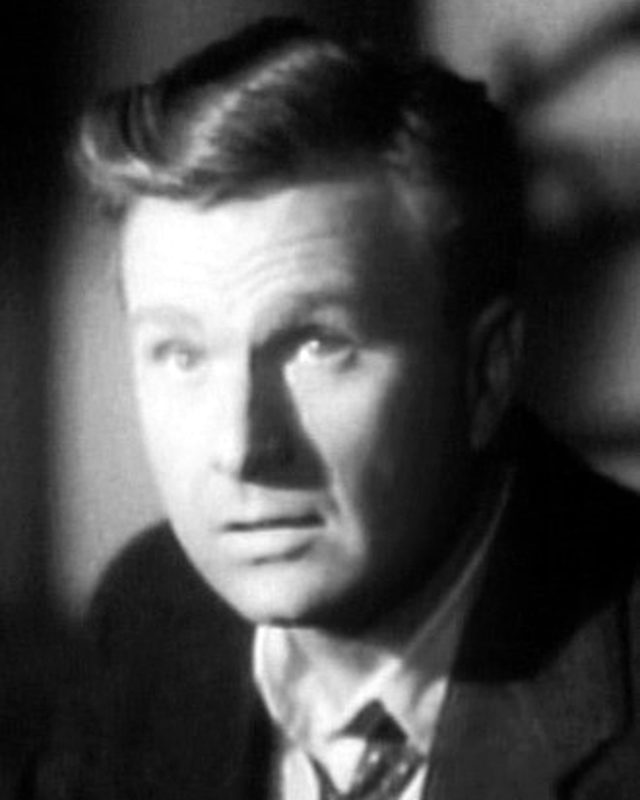
- Eddie Albert as Martin Hollister
- The victim
- John Kerr as Roger Dutton
- Guest cast
- Eddie Albert, Ron Castro, John Kerr, Val Avery, Clete Roberts, Suzanne Pleshette
Columbo is an inverted mystery: the murder opens the film and the killer is known from the first minutes. What you are watching for is how he proves it — see how the character works.
The murder
Major General Martin Hollister is a genuine war hero with a genuine problem: he has been taking money on defence construction contracts, and the officer who arranged it is about to confess. The confession would end the reputation Hollister has spent thirty years building, which to him is the same as ending his life.
So he shoots him at home, and does it efficiently, with the calm of a man who has ordered deaths before. The body goes out to sea. The gun goes with it. The house is cleaned. By any reasonable measure the crime is complete within the hour.
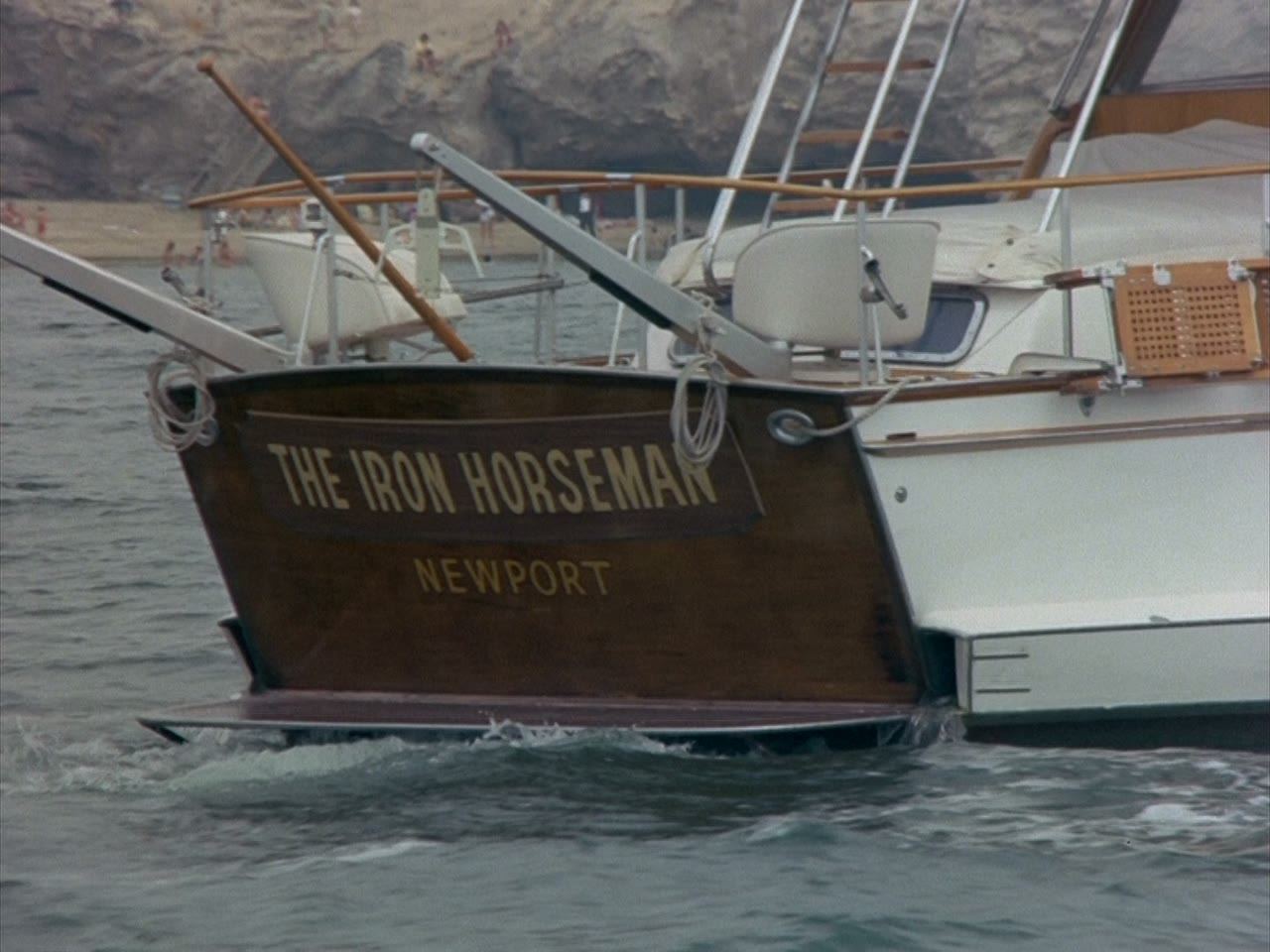
The flaw is not in the plan but in the geography. Helen Stewart, out on the water, looks up at the wrong moment and sees a man with a rifle through an open window. She reports it, and then discovers that reporting something like this about a man like Hollister does not make people investigate him — it makes them investigate her.
Major General Martin Hollister is a decorated war hero with a bribery problem: he has been taking money on defence construction contracts, and the officer who arranged it is about to confess.
The confession would end the reputation he has spent thirty years building, which to Hollister is the same as ending his life. He shoots the man at home with the calm of someone who has ordered deaths before.
The body goes out to sea, the gun with it, and the house is cleaned. By any reasonable measure the crime is complete within the hour — except that Helen Stewart, out on the water, looks up at the wrong moment.
How Columbo gets him
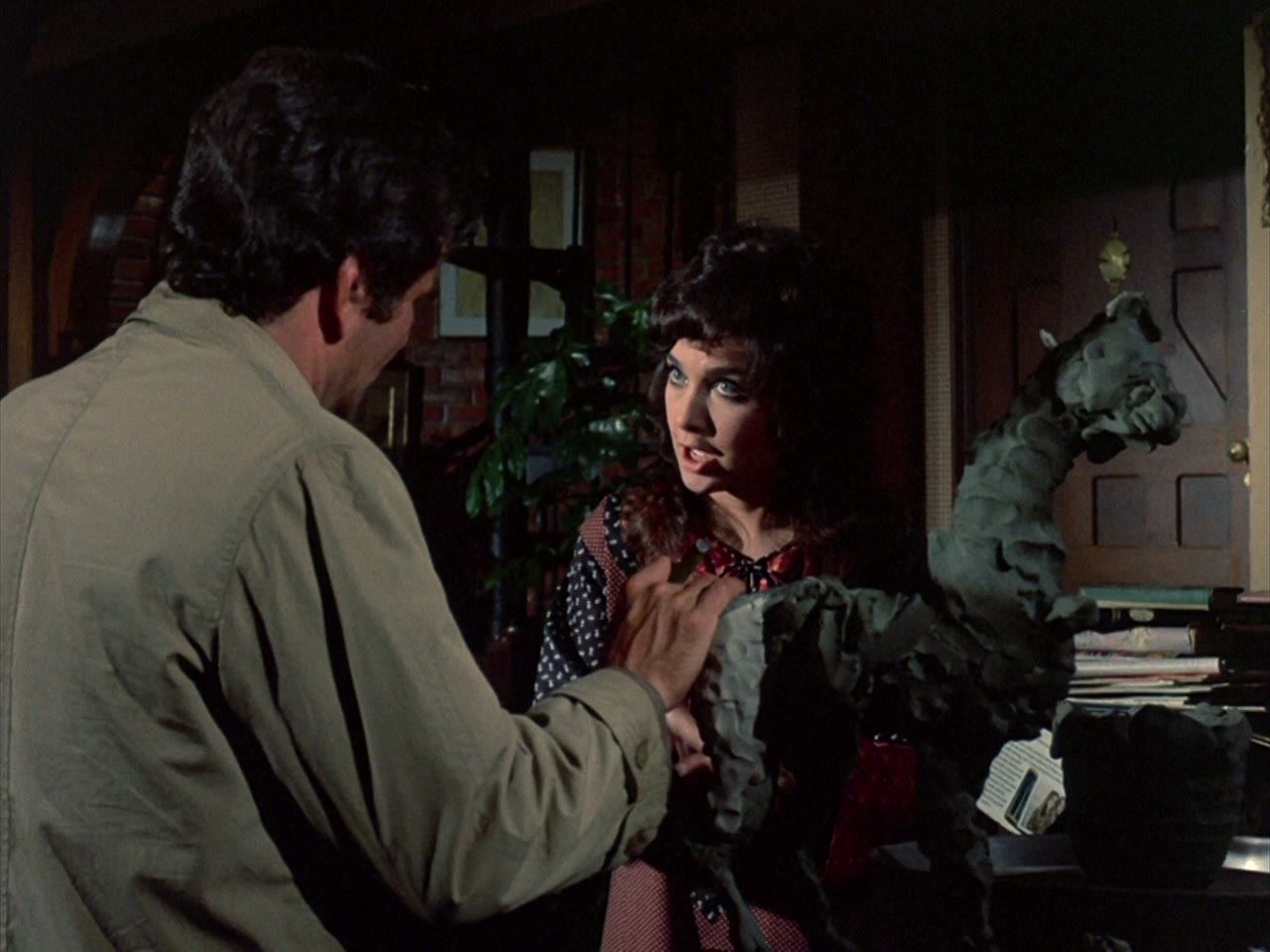
This is the episode where Columbo's manner reveals itself as a moral position rather than a tactic. Everyone else treats Helen as an hysteric: the police, her mother, eventually Hollister himself, who sets about charming her into doubting her own eyes. Columbo simply takes her seriously and keeps taking her seriously after it becomes inconvenient.
The general is a new kind of opponent for the series — not a vain artist or a slick professional but a man of real authority who expects deference and receives it from everyone except the lieutenant. Their scenes turn on rank: Hollister keeps offering Columbo the chance to withdraw gracefully, and Columbo keeps not understanding the offer.
The investigation itself is patient and physical. If the body went into the water, it came from somewhere; if it came from somewhere, something travelled with it. Columbo works the movements of the boat, the tide and the general's schedule until the window in which the killing could have happened shrinks to the size of the one Helen was looking through.
This is the episode where Columbo's manner reveals itself as a moral position rather than a tactic. Everyone treats Helen as hysterical — the police, her mother, and eventually Hollister, who sets about charming her into doubting her own eyes. The lieutenant simply takes her seriously and keeps doing so after it becomes inconvenient.
The general is a new kind of opponent: not a vain artist but a man of real authority who expects deference and gets it from everyone except Columbo. Their scenes turn on rank, with Hollister repeatedly offering a graceful withdrawal that the lieutenant fails to understand.
The work itself is patient and physical — the movements of the boat, the tide and the general's schedule, until the window in which the killing could have happened shrinks to the size of the one Helen was looking through.
Worth knowing
- Eddie Albert plays Hollister without a trace of villainy, which is what makes the character work: he believes his reputation is worth more than another man's life, and he believes it sincerely.
- This is the episode where a close-up of Columbo's ID card shows the name Frank — the prop department's invention, and the source of a fan argument that has run for fifty years.
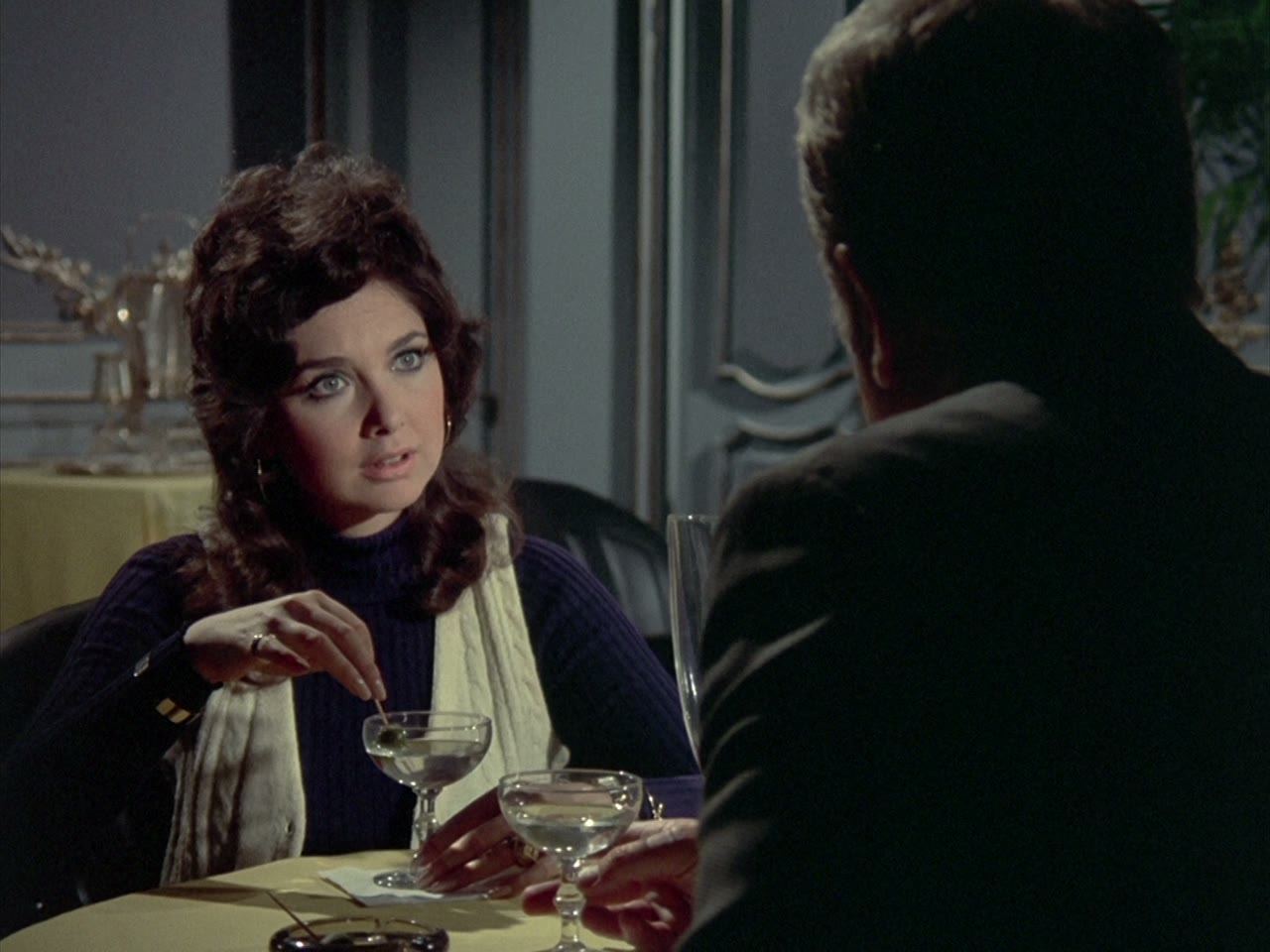
- Suzanne Pleshette plays Helen, and her scenes with Falk are the closest the series comes to warmth between the lieutenant and a witness.
- Eddie Albert plays Hollister without a trace of villainy, which is what makes him work: he believes his reputation is worth more than another man's life, and he believes it sincerely.
- This is the episode where a close-up of the ID card shows the name Frank — the prop department's invention and the source of a fifty-year argument.
- Suzanne Pleshette plays Helen; broadcast October 1971.
Verdict
Structurally simple and emotionally the strongest of the first season. The murder is solved early in Columbo's own mind; the film is about whether anyone will listen to the one person who saw it happen.
It also contains the clearest statement of what the character is for. Hollister is protected by rank, medals and the automatic belief of everyone around him. The only thing that gets through is a man who does not care about any of it.
Structurally simple and the most emotionally direct of the first season. The murder is solved early in Columbo's own mind; the film is about whether anyone will listen to the person who saw it.
It also contains the clearest statement of what the character is for. Hollister is protected by rank, medals and automatic belief, and the only thing that gets through is a man who does not care about any of it.
What the people who made it said
The ugliest story from the classic years, told by someone who had known Falk since she was fourteen. By her account his contract let him direct an episode, this one was refused him, and he stayed home; the studio sent a doctor, the scenes were shot with a double reading lines off camera, and he came back under threat of a lawsuit. This is her memory, not an established fact.
“That was not a happy experience. Peter was a bad boy on that show. Peter stayed home — that was the only thing he had to negotiate with, was not being present and making life uncomfortable for them.”
Quotes are in the speaker’s own words — from a transcript of the recording, or from the printed source. Players open at the right minute. Everything is shortened; the full version is in the source.
Familiar faces
Actors who turn up in the series more than once — sometimes in very different parts.
- Val Avery as Harry Barnes 4 episodes also in The Most Crucial Game, A Friend in Deed, Identity Crisis
- Timothy Carey as Bert 3 episodes also in Ransom for a Dead Man, Fade in to Murder
- Clete Roberts as TV Newsman 2 episodes also in Candidate for Crime
Cast data from TMDB, including uncredited bit parts. All the familiar faces →