Home → Episodes → Suitable for Framing
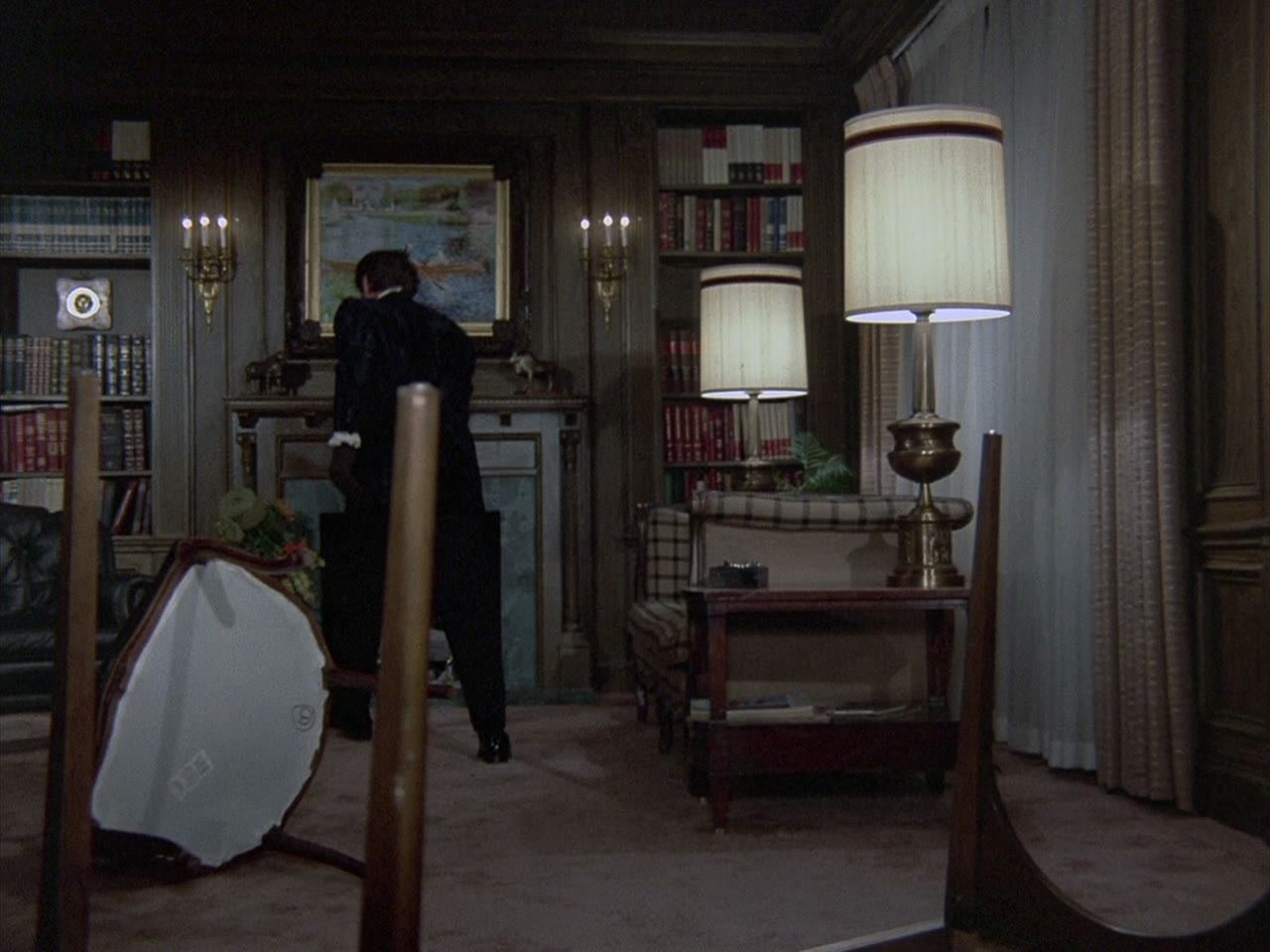
Suitable for Framing
Russian title: Подходящие улики · Russian version
An art critic murders his uncle for the collection, then arranges the evidence so that the widow takes the blame. One of the series' nastiest killers, and one of its most satisfying traps.
Editor’s rating — 8 out of 10.
- Number
- 6 of 69
- Aired
- November 17, 1971
- Running time
- 72 min
- Director
- Hy Averback
- Writer
- Jackson Gillis
- Music
- Billy Goldenberg
The case
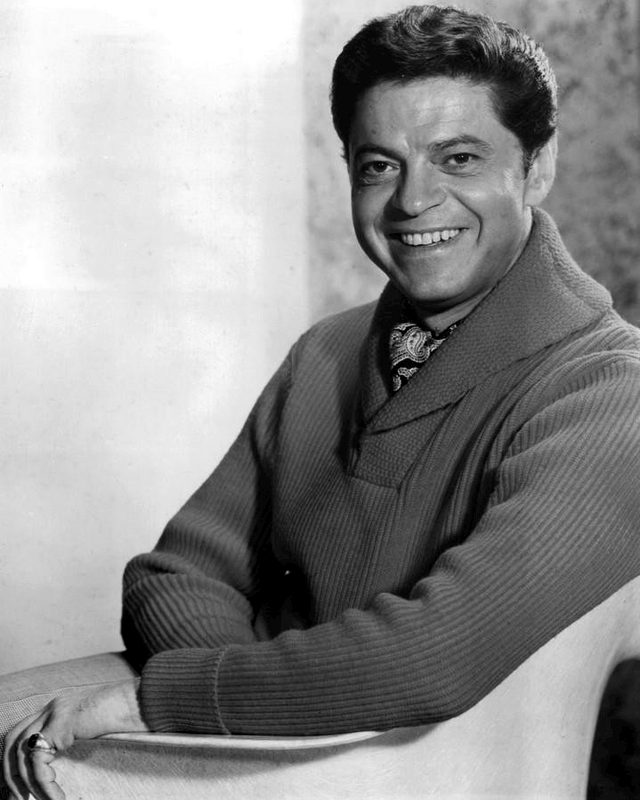
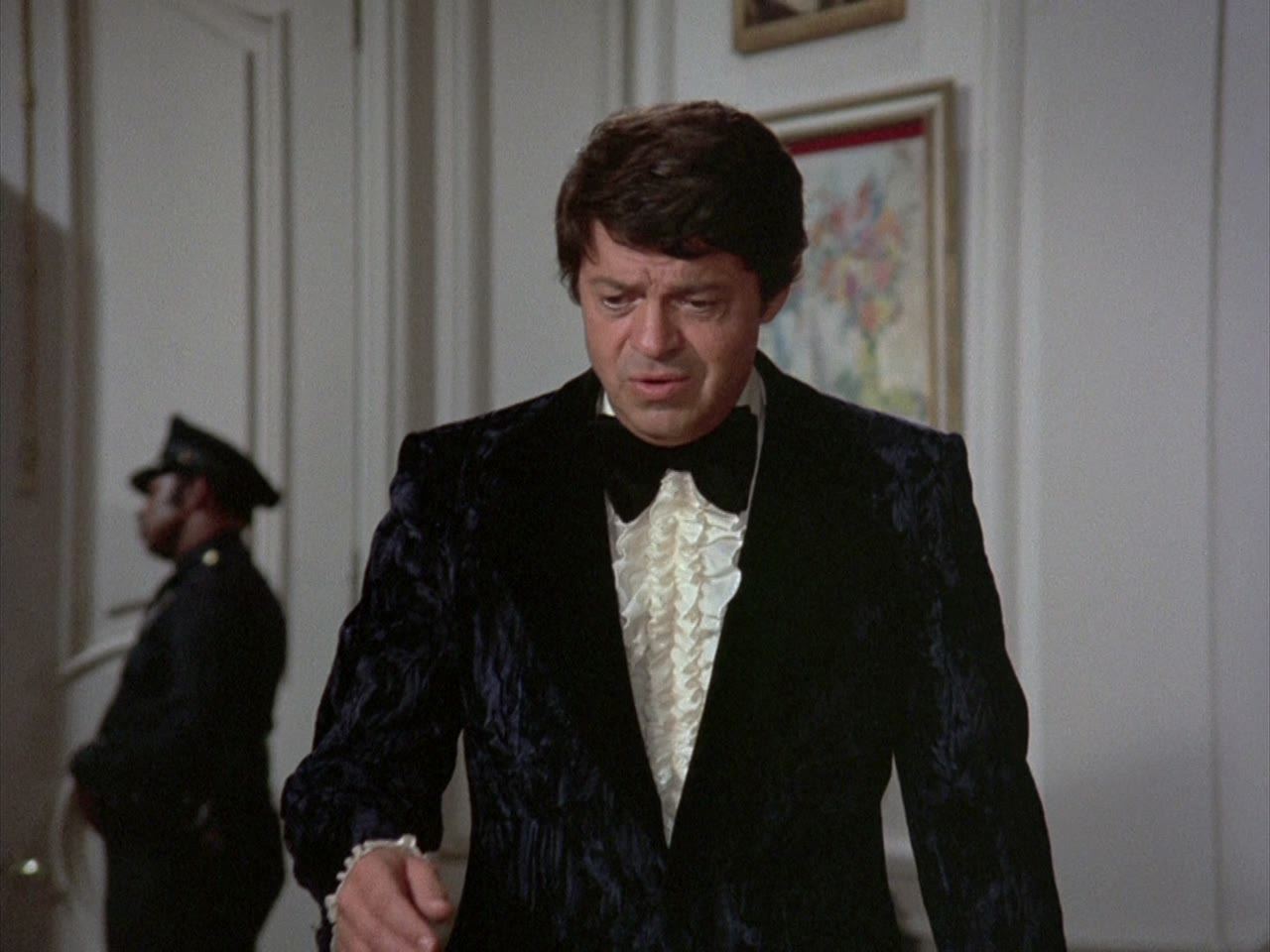
- The killer
- Ross Martin as Dale Kingston and Rosanna Huffman as Tracy O'Connor
- The victim
- Robert Shayne as Rudy Matthews and Rosanna Huffman as Tracy O'Connor
- Guest cast
- Ross Martin, Sandra Gould, Rosanna Huffman, Joan Shawlee, Barney Phillips, Curt Conway
Columbo is an inverted mystery: the murder opens the film and the killer is known from the first minutes. What you are watching for is how he proves it — see how the character works.
The murder
Dale Kingston is an art critic and lecturer whose entire standing rests on other people's money and other people's paintings. His uncle owns one of the great private collections in California and has made the reasonable decision not to leave it to him. Kingston decides to correct this.
The murder is a two-part performance. With an accomplice, he shoots his uncle during what will be recorded as a burglary, taking a selection of canvases to make the theft convincing. Then, and this is the part that marks him out, he plants the stolen paintings where his uncle's ex-wife will be found with them, so that a grieving woman with a drinking problem takes the fall.
It is not enough for Kingston to inherit. He needs someone else destroyed to make the inheritance safe, and he arranges it with the same fastidiousness he brings to hanging an exhibition.
Dale Kingston's standing rests entirely on other people's money and other people's paintings. His uncle owns one of the great private collections in California and has sensibly decided not to leave it to him.
With an accomplice he shoots his uncle during a staged burglary, taking a selection of canvases to make the theft convincing.
Then he does the thing that marks him out: he plants the paintings where the uncle's ex-wife will be found with them. It is not enough to inherit — someone else has to be destroyed to make the inheritance safe.
How Columbo gets him
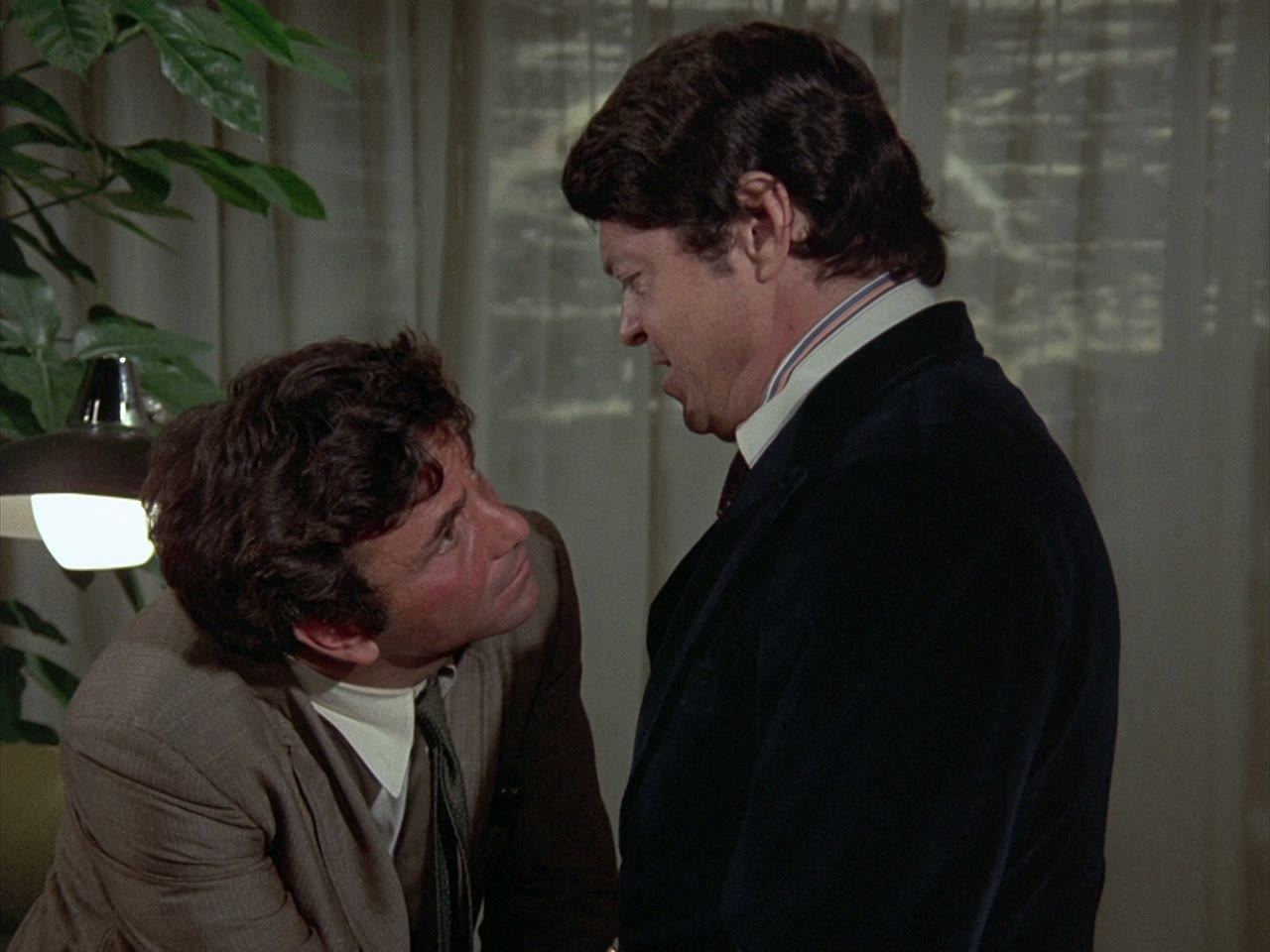
Kingston is contemptuous in a specific, educated way: he explains things. He explains art to Columbo, then explains police work to Columbo, then explains, patiently, why the lieutenant's questions are naive. Falk plays these scenes with visible enjoyment, because the more Kingston explains, the more he reveals about what he knows.
The lieutenant's suspicion begins with the theft itself. The paintings taken are not the valuable ones — they are the ones a person who understood the collection would take if they wanted the theft to look ignorant. Only a handful of people could make that distinction, and only one of them stood to benefit.
The trap is theatre. Columbo lets it be known that one further canvas is unaccounted for and hints, without saying, where it might be hidden. Kingston, who cannot bear a loose end and who knows exactly which painting matters, goes to retrieve it.
Kingston explains things: art to Columbo, then police work to Columbo, then why the lieutenant's questions are naive. Falk plays these scenes with visible enjoyment, because every explanation reveals what the man knows.
The suspicion starts with the theft. The paintings taken are not the valuable ones — they are the ones somebody who understood the collection would take to make the theft look ignorant.
The trap is theatre. Columbo lets it be known that another canvas is unaccounted for and hints where it might be, and Kingston, who cannot bear a loose end, goes to retrieve it.
Worth knowing
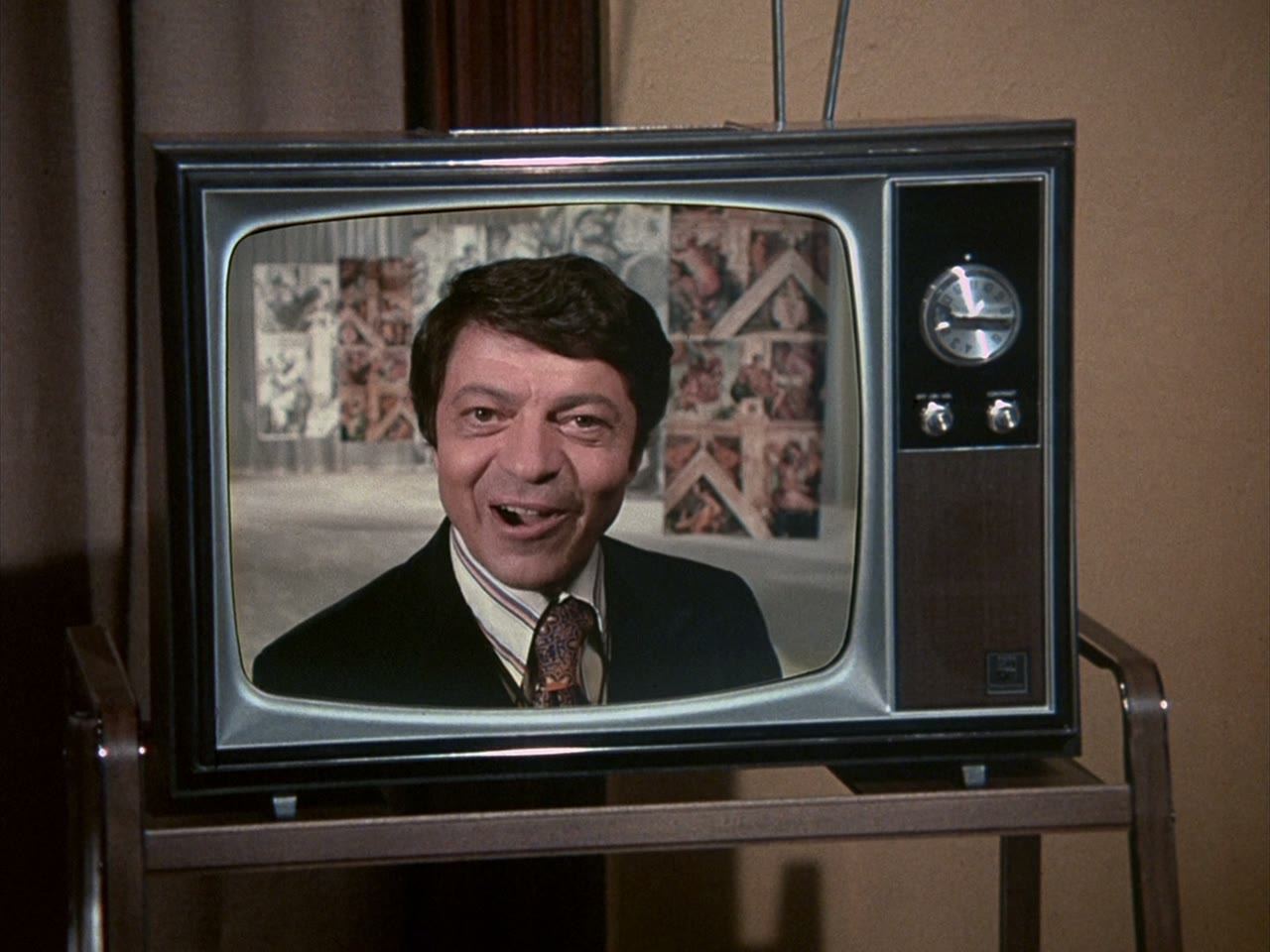
- Ross Martin, best known as Artemus Gordon in The Wild Wild West, plays Kingston as a man permanently performing sophistication for an audience of one.
- The episode makes unusual use of Columbo's ignorance of art as an active tool: the more clueless he appears about paintings, the more freely Kingston lectures.
- The framing of the widow is the coldest act by any killer in the first season, and the script does not soften it.
- Ross Martin, best known as Artemus Gordon in The Wild Wild West, plays Kingston as a man permanently performing sophistication.
- The framing of the widow is the coldest act by any killer in the first season, and the script does not soften it.
- Broadcast in November 1971.
Verdict
A tight, mean, very enjoyable hour. Kingston has no redeeming feature and the film does not look for one, which makes the ending pure satisfaction rather than the melancholy the series often prefers.
It is also the clearest early example of the trap-ending: Columbo does not find the evidence, he builds a situation in which the murderer produces it himself.
Tight, mean and very enjoyable. Kingston has no redeeming feature and the film does not look for one, which makes the ending pure satisfaction rather than the melancholy the series usually prefers.
It is also the clearest early example of the trap ending: Columbo does not find the evidence, he builds a situation in which the murderer produces it.
Familiar faces
Actors who turn up in the series more than once — sometimes in very different parts.
- Ray Ballard as Gardener 3 episodes also in The Most Dangerous Match, Mind Over Mayhem
- Rosanna Huffman as Tracy O'Connor 2 episodes also in Rest in Peace, Mrs. Columbo
Cast data from TMDB, including uncredited bit parts. All the familiar faces →