Home → Episodes → Double Exposure
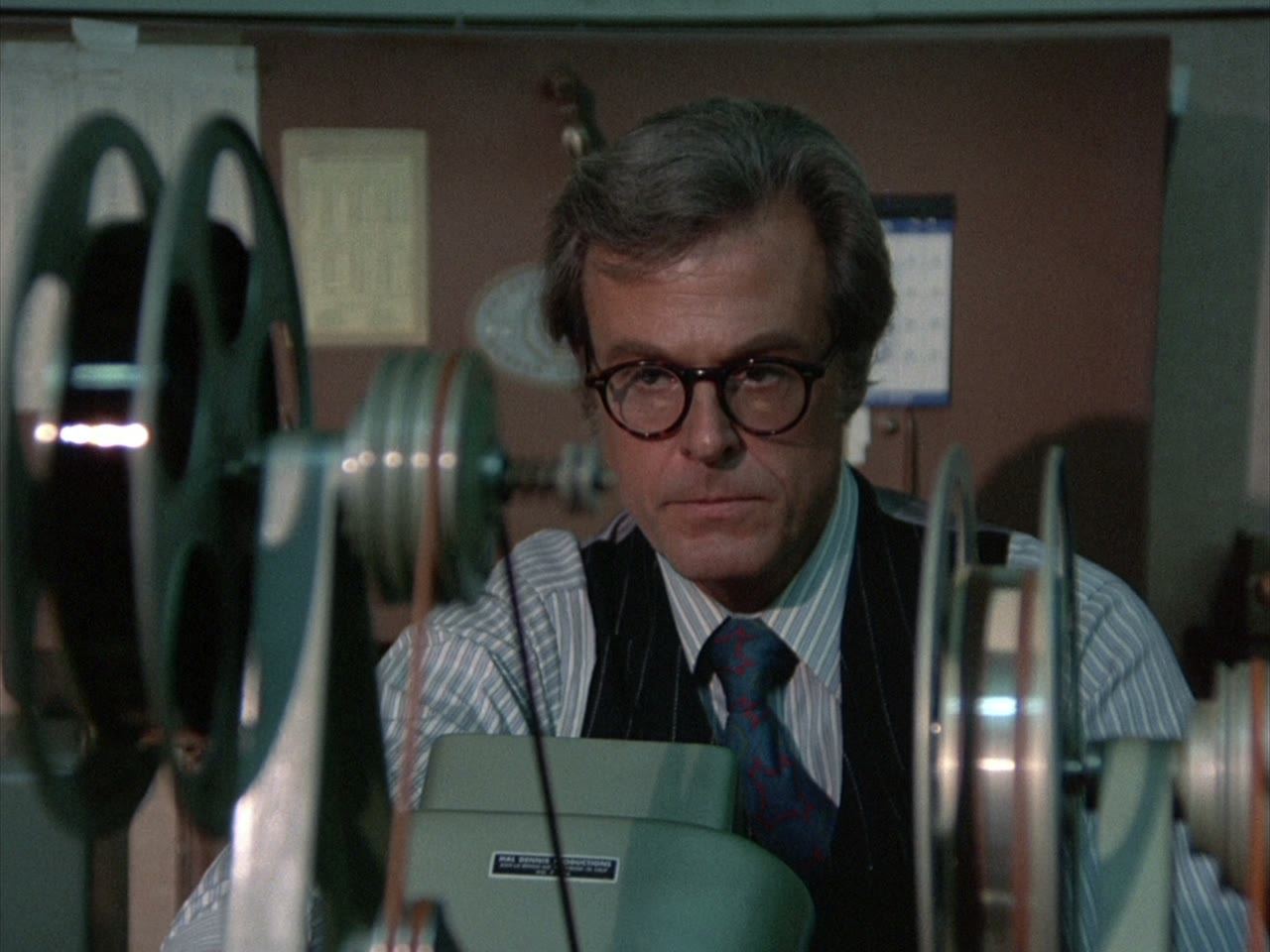
Double Exposure
Russian title: Коломбо теряет терпение · Russian version
A motivational film-maker murders a client using subliminal advertising — flashing images of food and drink into a screening so his target will leave the room at a precise moment. Robert Culp's third and cleverest murderer.
Editor’s rating — 9 out of 10.
- Number
- 21 of 69
- Aired
- December 16, 1973
- Running time
- 70 min
- Director
- Richard Quine
- Writer
- Stephen J. Cannell
- Music
- Dick DeBenedictis
The case
- The killer
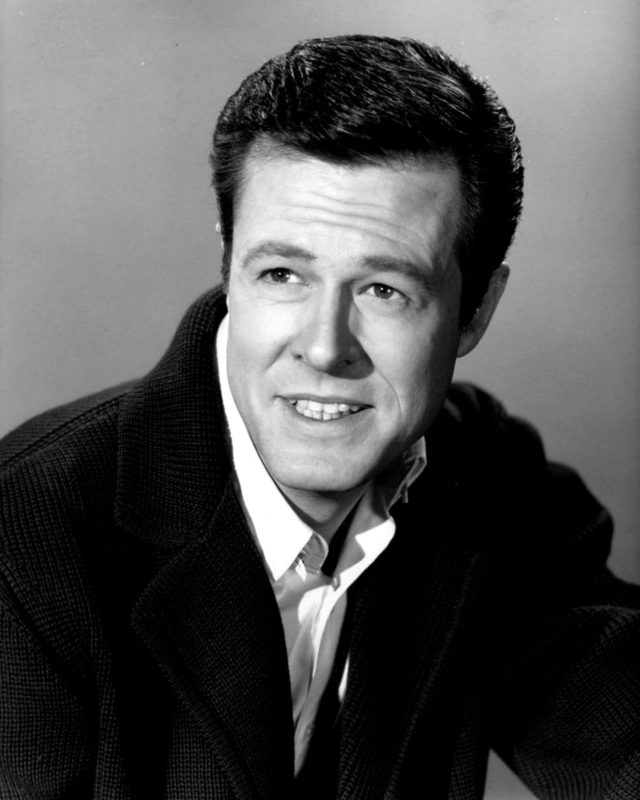
- Robert Culp as Bart Keppel
- The victim
- Robert Middleton as Vic Norris and Chuck McCann as Roger White
- Guest cast
- Robert Culp, Danny Goldman, Robert Middleton, George Wyner, Chuck McCann, Richard Stahl
Columbo is an inverted mystery: the murder opens the film and the killer is known from the first minutes. What you are watching for is how he proves it — see how the character works.
The murder
Bart Keppel makes corporate motivation films and understands, professionally, how to make an audience want something without knowing why. His client Victor Norris is about to expose him over blackmail, in front of an audience, at a screening Keppel himself is running.
So Keppel builds the murder into the film. He splices single frames of ice-cold drinks and salted food into the reel, so that at the calculated moment Norris — thirsty, unaware why — leaves the auditorium for the lobby bar, where Keppel is waiting for him.
He shoots him there, returns to the projection booth, and is back in the room before the film ends. The alibi is not a lie about where he was; it is a piece of engineering that put the victim exactly where the killer needed him.
Bart Keppel makes corporate motivation films and understands professionally how to make an audience want something without knowing why. He has also been blackmailing his client, and the client has had enough.
Victor Norris intends to expose him at a screening — in front of the people whose opinion matters to Keppel's business. The venue is Keppel's own, which is his opportunity.
He splices single frames of ice-cold drinks and salted food into the reel. At the calculated moment Norris, thirsty and unaware why, leaves the auditorium for the lobby bar, where Keppel is waiting. The alibi is not a lie about where the killer was; it is engineering that put the victim where he needed him.
How Columbo gets him
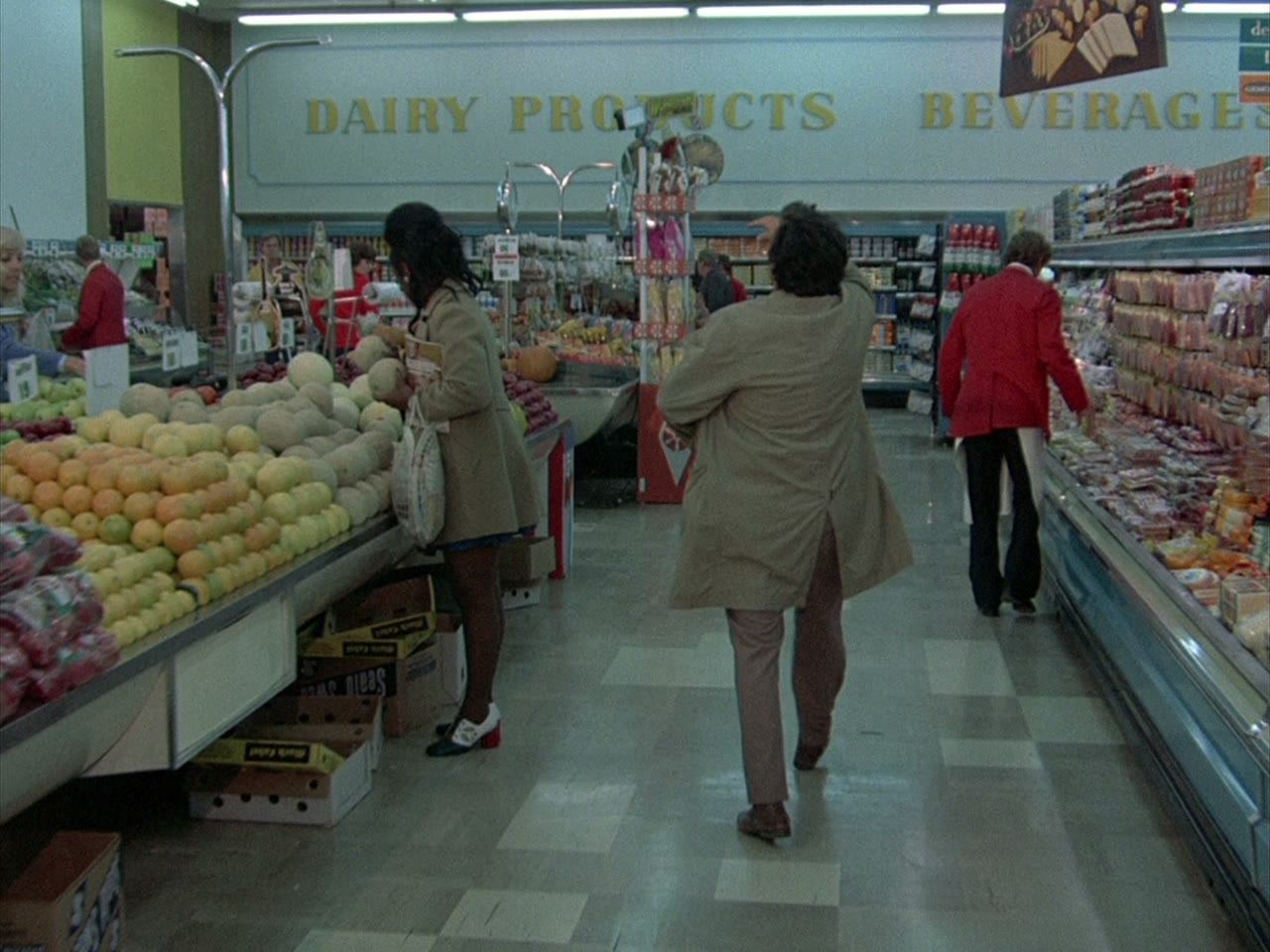
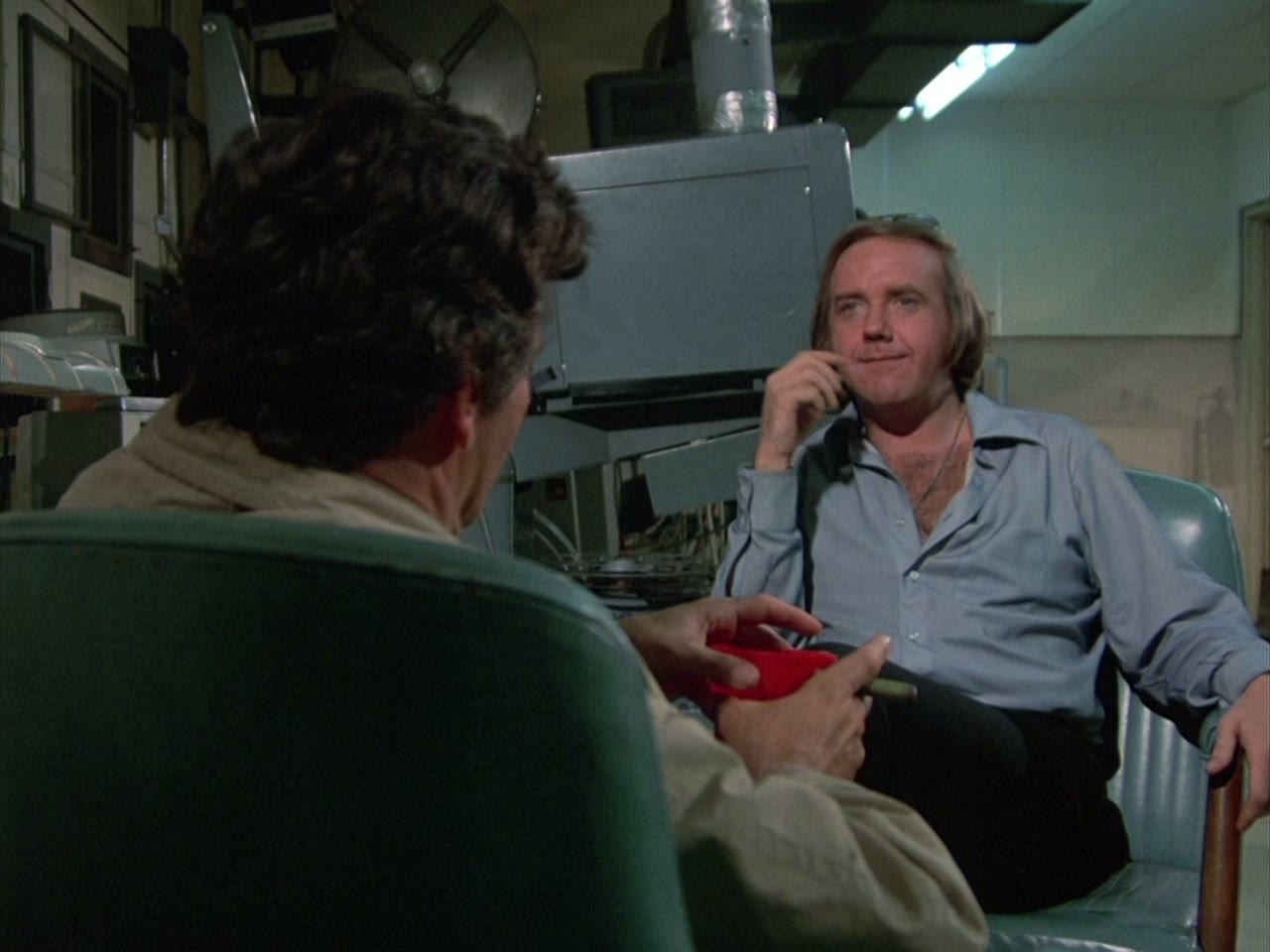
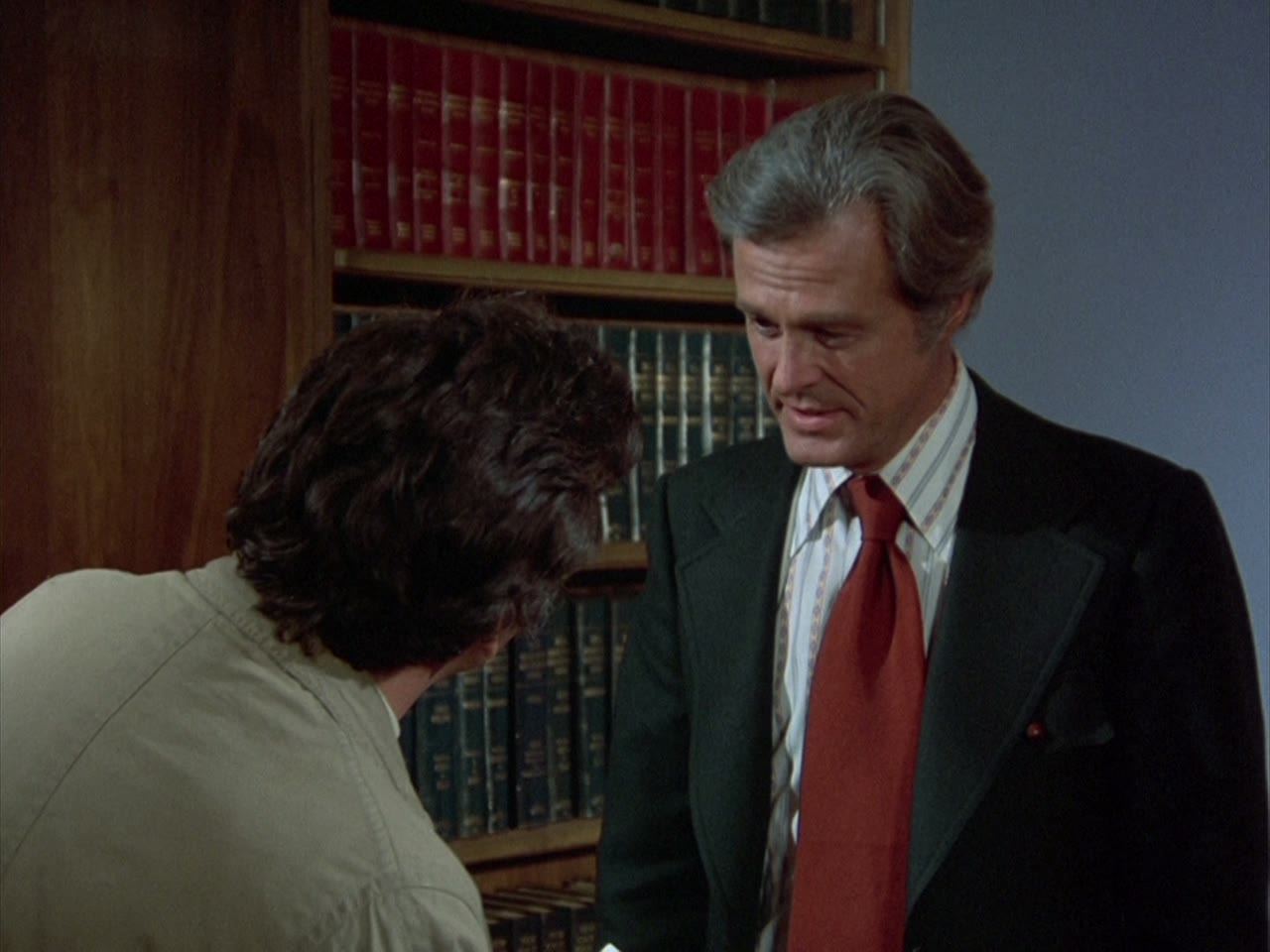
Culp's Keppel is the most likeable of his three: a salesman who genuinely enjoys explaining his craft. When Columbo asks how subliminal advertising works, Keppel demonstrates — twice — because a man who spends his life persuading people cannot resist a curious audience.
The lieutenant's first problem is the timing. Norris left a screening he had every reason to stay in, at the one moment his killer had cover. Coincidence is possible. Coincidence that convenient is not.
The route to proof runs through the film itself. If frames were added, frames exist; if a projectionist handled the reel, he saw something; and if the murderer edited under pressure, he made the kind of small error that only shows at twenty-four frames a second.
Culp's Keppel is the most likeable of his three murderers — a salesman who genuinely enjoys explaining his craft. Asked how subliminal advertising works, he demonstrates twice, because a man who persuades for a living cannot resist a curious audience.
The lieutenant's first objection is the timing. Norris left a screening he had every reason to stay in, at the one moment his killer had cover.
Proof runs through the film itself. Added frames exist; a projectionist handled the reel; and a man editing under pressure makes the sort of error that only shows at twenty-four frames a second.
Worth knowing
- The subliminal advertising premise was topical in the 1970s and is treated here as more effective than it actually is; the episode is science fiction with a stopwatch.
- Culp's three murderers all share a trait: they are professionals who explain their expertise to a policeman they consider harmless.
- The final trap is the only time in the series that Columbo commits a small crime of his own to catch someone.
- The subliminal advertising premise was topical in the 1970s and is considerably more effective here than the technique is in reality.
- The final trap is the only occasion in the series where Columbo commits a small crime of his own to catch someone.
- Broadcast in December 1973; Culp's third and last turn as the murderer.
Verdict
The most inventive murder method of the middle years, and the best use the series ever made of Culp. Keppel is charming right up to the moment he is not.
It is also the neatest example of the show's favourite structure: the killer's own trick, turned around and used on him.
The most inventive murder method of the middle years and the best use the series made of Culp.
It is also the neatest example of the show's favourite ending: the killer's own trick, turned round and pointed at him.
What the people who made it said
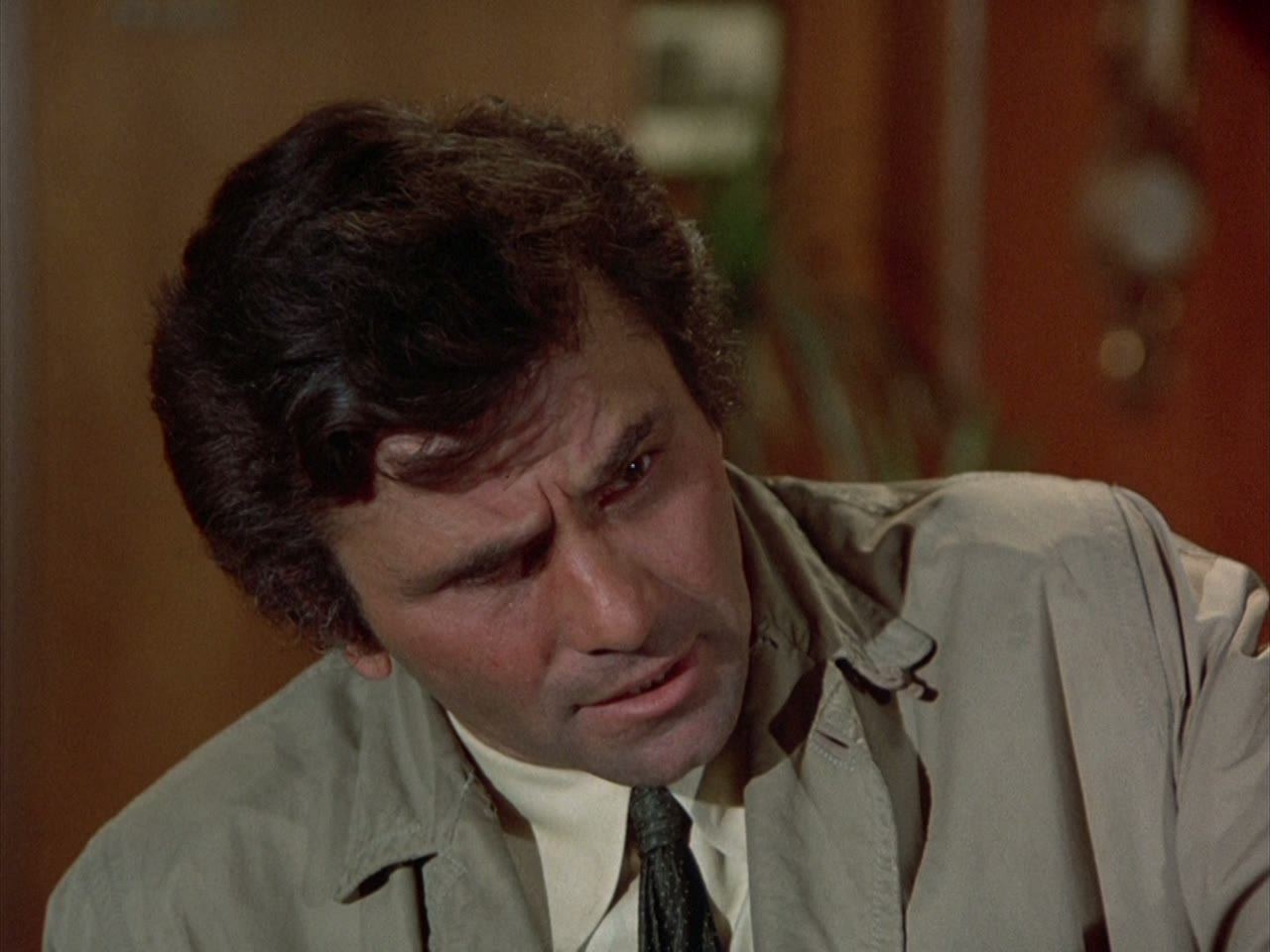
Cannell wrote the villain without naming an actor to anyone. The part went to Robert Culp anyway — his third killer in the series.
“Robert Culp was exactly the guy I pictured. But I never said to anyone, 'Gee, Robert Culp would be perfect for this.'”
Quotes are in the speaker’s own words — from a transcript of the recording, or from the printed source. Players open at the right minute. Everything is shortened; the full version is in the source.
Familiar faces
Actors who turn up in the series more than once — sometimes in very different parts.
- Mike Lally as Parking Lot Guard 8 episodes also in Requiem for a Falling Star, Mind Over Mayhem, Swan Song, A Friend in Deed, Troubled Waters and 2 more
- Robert Culp as Bart Kepple 4 episodes also in Death Lends a Hand, The Most Crucial Game, Columbo Goes to College
- Dianne Turley Travis as Executive 4 episodes also in Mind Over Mayhem, A Friend in Deed, Death Hits the Jackpot
- Richard Stahl as Ballistics Man 3 episodes also in The Most Crucial Game, Lovely But Lethal
- Arlene Martel as Tanya 3 episodes also in The Greenhouse Jungle, A Friend in Deed
- Dennis Robertson as Detective Marley 3 episodes also in Mind Over Mayhem, An Exercise in Fatality
- Manuel DePina as Detective #1 3 episodes also in The Most Dangerous Match, An Exercise in Fatality
- Cosmo Sardo as Executive 3 episodes also in A Friend in Deed, A Case of Immunity
- Alma Beltran as Housekeeper 2 episodes also in A Friend in Deed
- Mickey Golden as Kepple's Caddy 2 episodes also in A Friend in Deed
Cast data from TMDB, including uncredited bit parts. All the familiar faces →