Home → Episodes → Requiem for a Falling Star
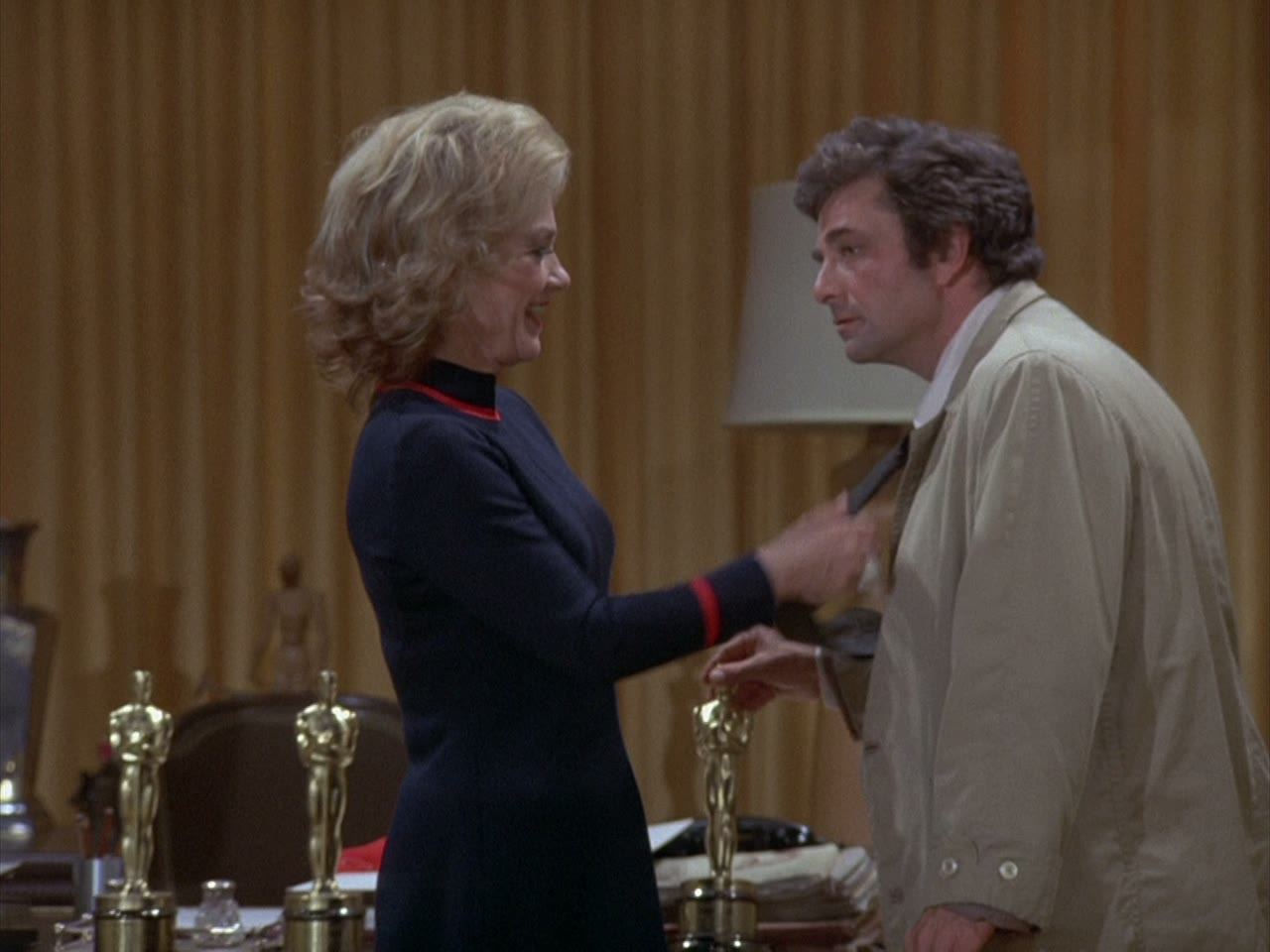
Requiem for a Falling Star
Russian title: Реквием для падающей звезды · Russian version
A fading film star tries to poison the gossip columnist who is digging into her past and kills her own assistant by mistake. Anne Baxter plays her with more sympathy than the format usually allows, and the ending is one of the saddest in the series.
Editor’s rating — 7.5 out of 10.
- Number
- 14 of 69
- Aired
- January 21, 1973
- Running time
- 70 min
- Director
- Richard Quine
- Writer
- Jackson Gillis
The case
- The killer
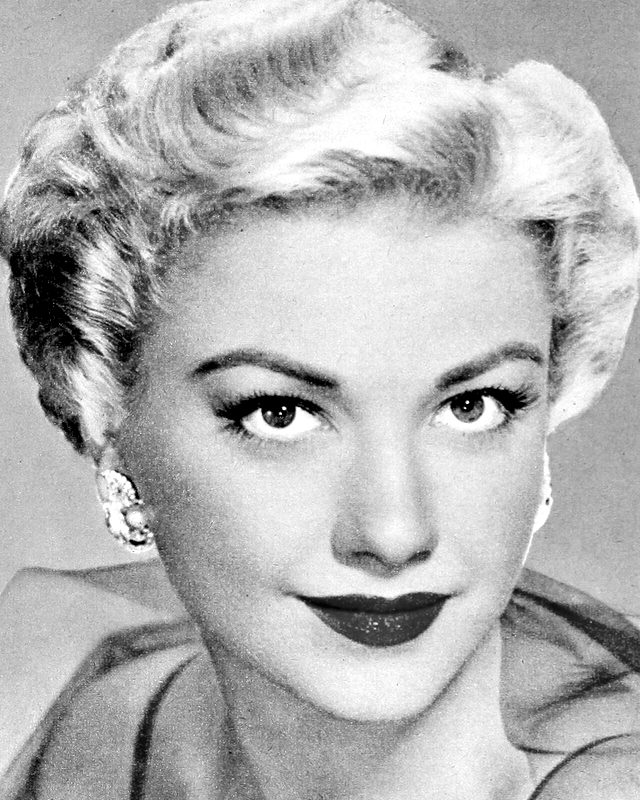
- Anne Baxter as Nora Chandler
- The victim
- Pippa Scott as Jean Davis and John Colicos as Al Cumberland (photograph)
- Guest cast
- Anne Baxter, Kevin McCarthy, Pippa Scott, Mel Ferrer, Frank Converse, Edith Head
Columbo is an inverted mystery: the murder opens the film and the killer is known from the first minutes. What you are watching for is how he proves it — see how the character works.
The murder
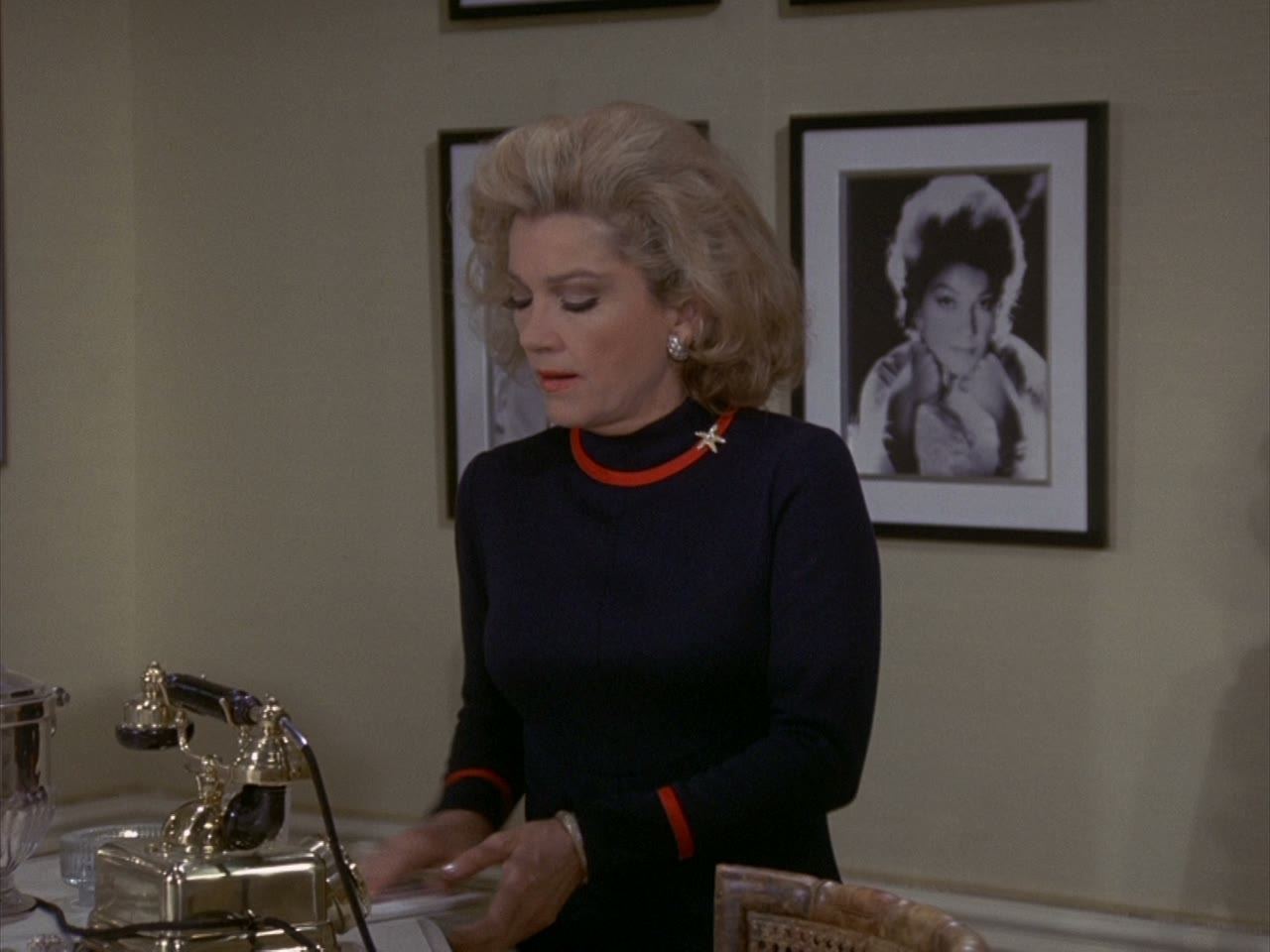
Nora Chandler is a star of the old studio system, still famous, no longer employed, living on a lot that has largely forgotten her. Jerry Parks, a columnist, has been asking questions about the disappearance of her husband years earlier — questions that Nora cannot afford to have answered.
Her plan is to kill Parks with a rigged car, and the plan works exactly as designed except in one respect: the car is taken that night by Jean Davis, Nora's own secretary and closest companion, who dies in the fire meant for someone else.
The mistake is the tragedy of the film. Nora has murdered the one person who was loyal to her, in order to protect a secret about a man who deserved no loyalty at all — and she has to keep performing composure for a studio full of people who still expect her to be gracious.
Nora Chandler is a star of the studio era, still famous and no longer employed, living on a lot that has largely moved on. The columnist Jerry Parks has been asking about her husband's disappearance years earlier.
Her plan is to kill Parks with a rigged car. It works exactly as designed except for who takes the car: Jean Davis, Nora's secretary and closest friend, dies in the fire meant for someone else.
That mistake is the tragedy of the film. She has murdered the only person loyal to her, to protect a secret about a man who deserved no loyalty at all — and must keep performing graciousness for a studio that still expects it.
How Columbo gets him
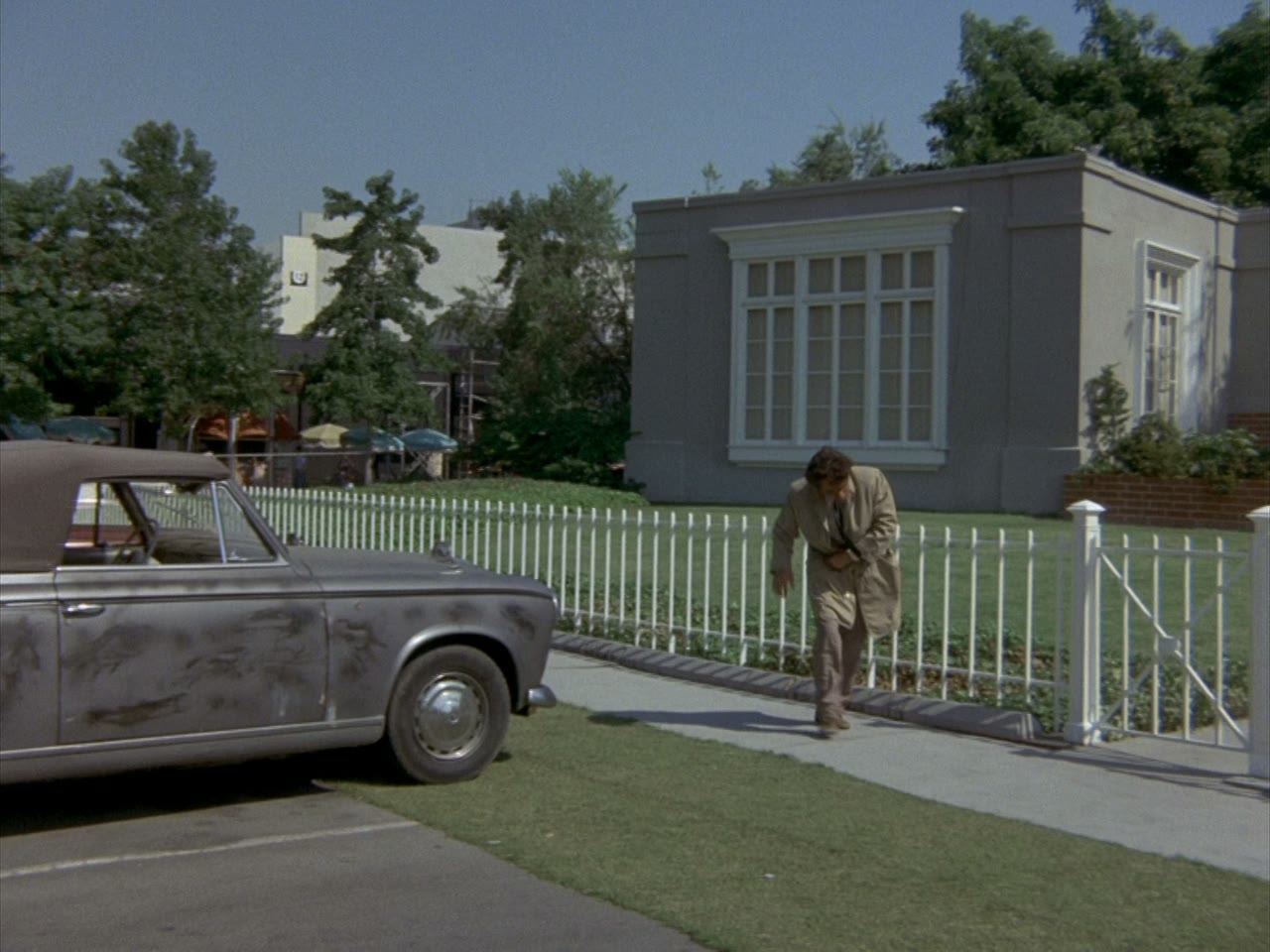
Columbo's interest in old Hollywood gives the episode its warmth. He tours the lot, admires the sets, asks about films he half-remembers, and Nora — who has not been asked about her work with genuine interest in years — talks to him more freely than she should.
The forensic line is straightforward: the car was tampered with, the tampering required access, and access narrows the field to almost nobody. What takes longer is understanding why. Columbo keeps returning to the columnist's research rather than the columnist himself, on the theory that the target was not the man but the story.
That story turns out to be older and worse than the affair everyone assumes. The lieutenant works out what Parks was about to print, and where the evidence for it has been sitting, undisturbed, for years — on the studio lot, under a standing set.
Columbo's interest in old Hollywood gives the episode its warmth. He tours the lot, asks about films he half-remembers, and Nora — unused to being asked about her work with real curiosity — talks more freely than she should.
The forensic line is short: the car was tampered with, tampering required access, access narrows the field to almost nobody.
Understanding why takes longer. Columbo keeps returning to the columnist's research rather than the columnist, on the theory that the target was the story and not the man.
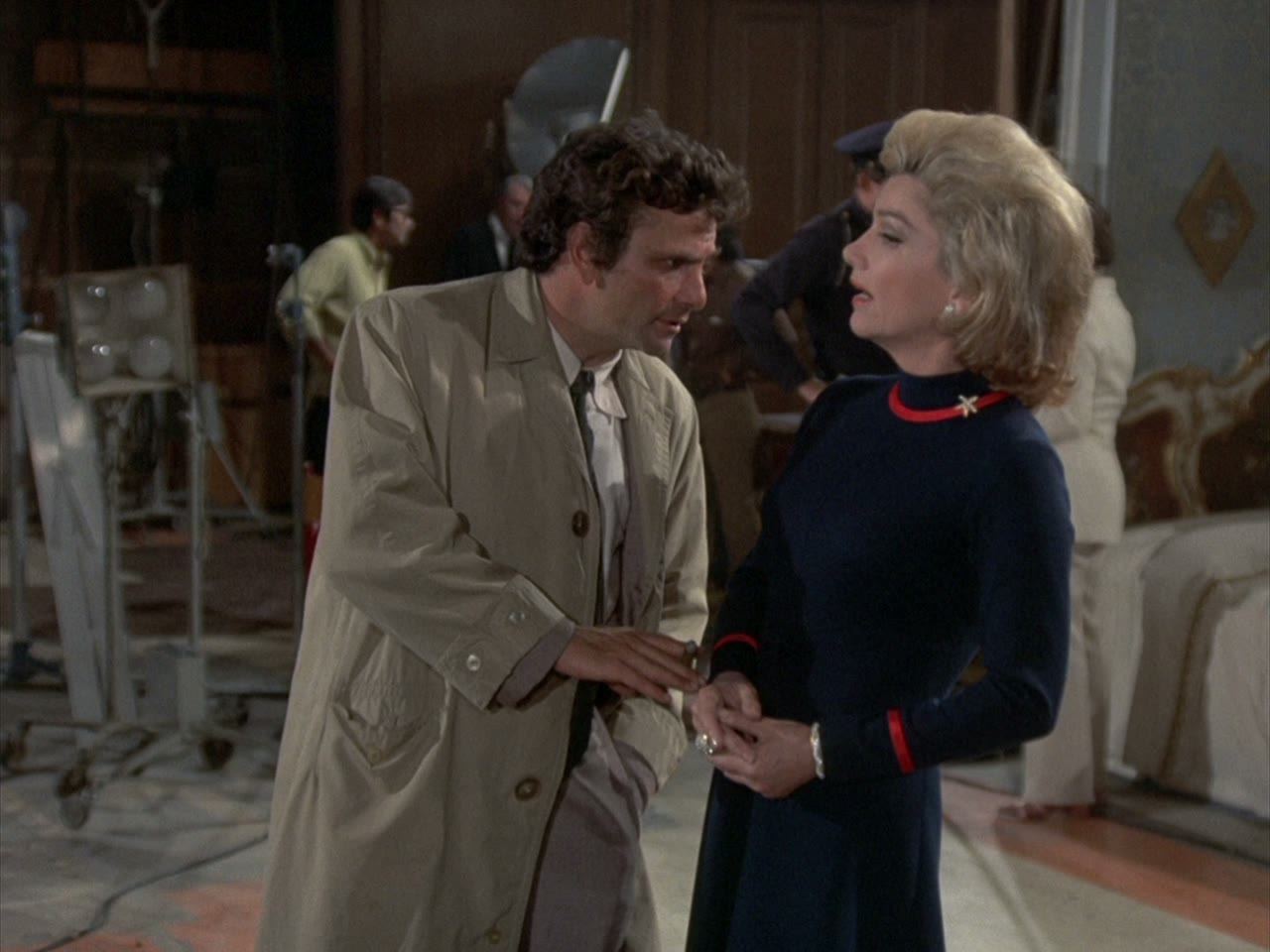
Worth knowing
- Anne Baxter had herself been an Oscar-nominated star of the studio era, which gives every scene about faded fame an extra layer.
- Mel Ferrer plays the columnist, and the script is unusually generous to a character type it could easily have made a monster.
- The final exchange between Nora and Columbo, in which neither says the important thing directly, is frequently cited as Falk's best quiet scene.
- Anne Baxter had herself been an Oscar-nominated star of the studio system, which gives every scene about faded fame a second layer.
- Mel Ferrer plays the columnist, and the script is unusually generous to a character type it could have made a monster.
- Broadcast in January 1973.
Verdict
One of the series' most melancholy hours. The murder is almost incidental; what the episode is really about is what Hollywood does to women it has finished with.
It also gives Columbo something he rarely gets — a killer he genuinely likes and visibly regrets catching, and he plays the last five minutes accordingly.
One of the series' most melancholy hours. The murder is almost incidental; the subject is what Hollywood does to women it has finished with.
It also gives Columbo a killer he genuinely likes and visibly regrets catching, and he plays the last five minutes accordingly.
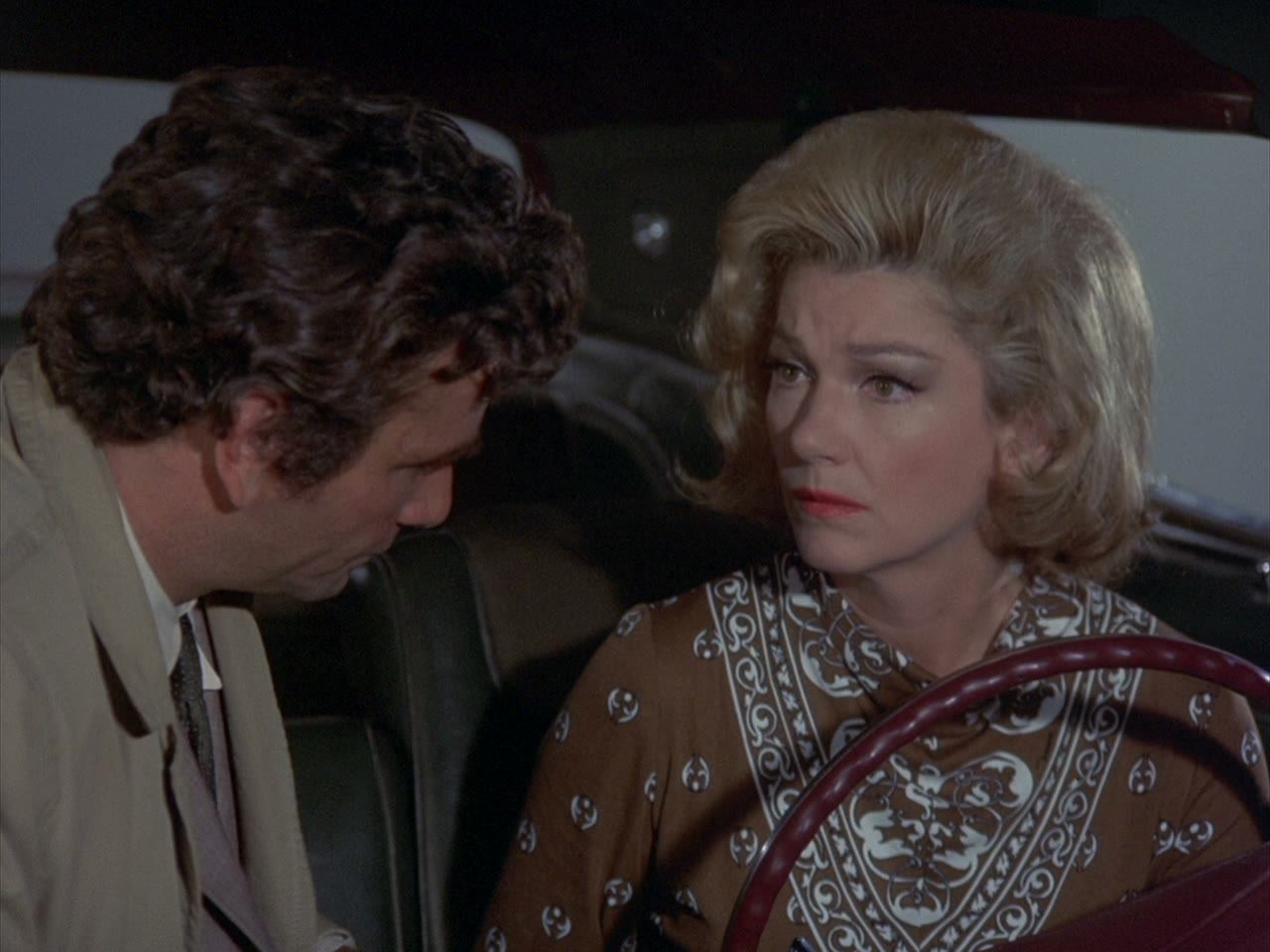
Familiar faces
Actors who turn up in the series more than once — sometimes in very different parts.
- Mike Lally as Security Guard 8 episodes also in Double Exposure, Mind Over Mayhem, Swan Song, A Friend in Deed, Troubled Waters and 2 more
- William Bryant as Sergeant Jeffries 2 episodes also in Mind Over Mayhem
- Bart Burns as Sergeant Fields 2 episodes also in Playback
Cast data from TMDB, including uncredited bit parts. All the familiar faces →