Home → Episodes → Murder, Smoke and Shadows
Murder, Smoke and Shadows
Russian title: Убийство, туман и призраки · Russian version
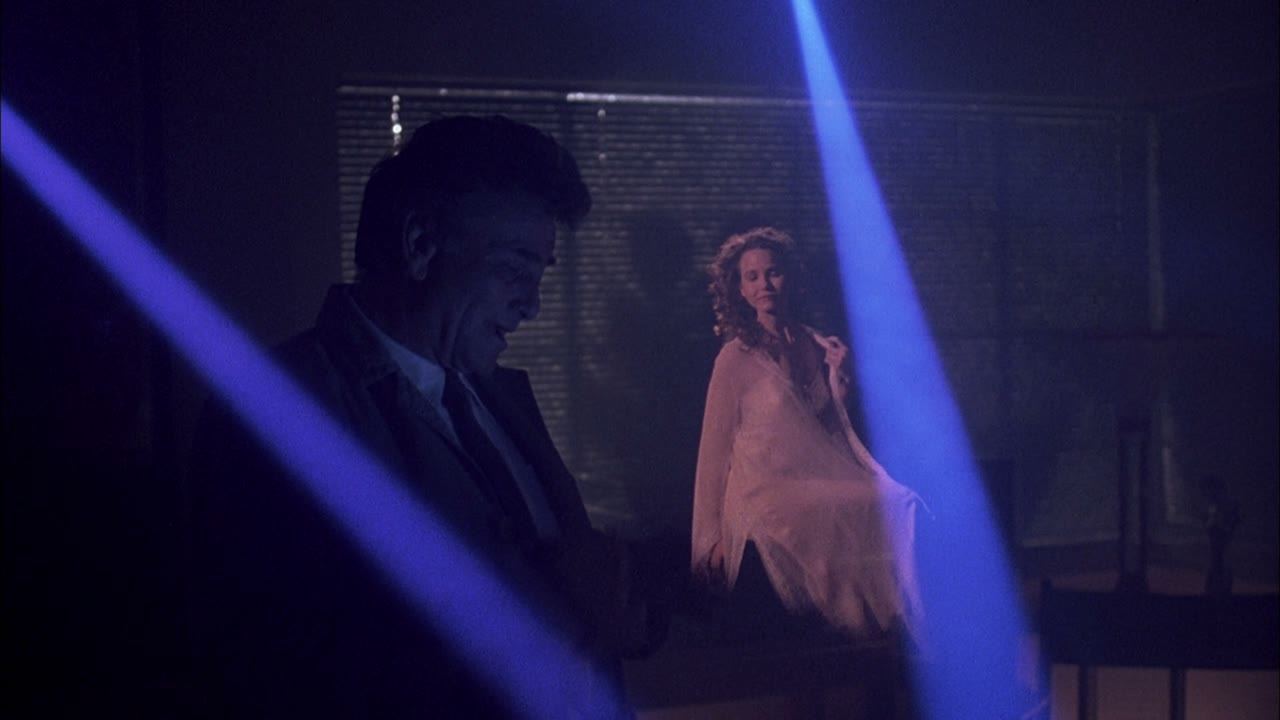
A young film director murders the man who knows he killed before, and uses studio special effects to make the death look like an accident. The most self-consciously cinematic episode of the ABC years.
Editor’s rating — 7 out of 10.
- Number
- 47 of 69
- Aired
- February 27, 1989
- Running time
- 90 min
- Director
- James Frawley
- Writer
- Richard Alan Simmons
- Music
- Patrick Williams
The case
- The killer
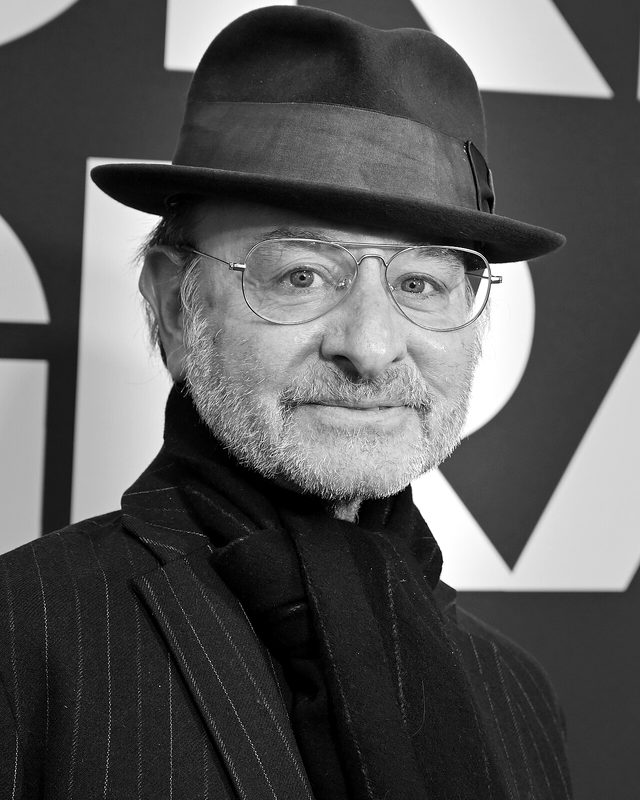
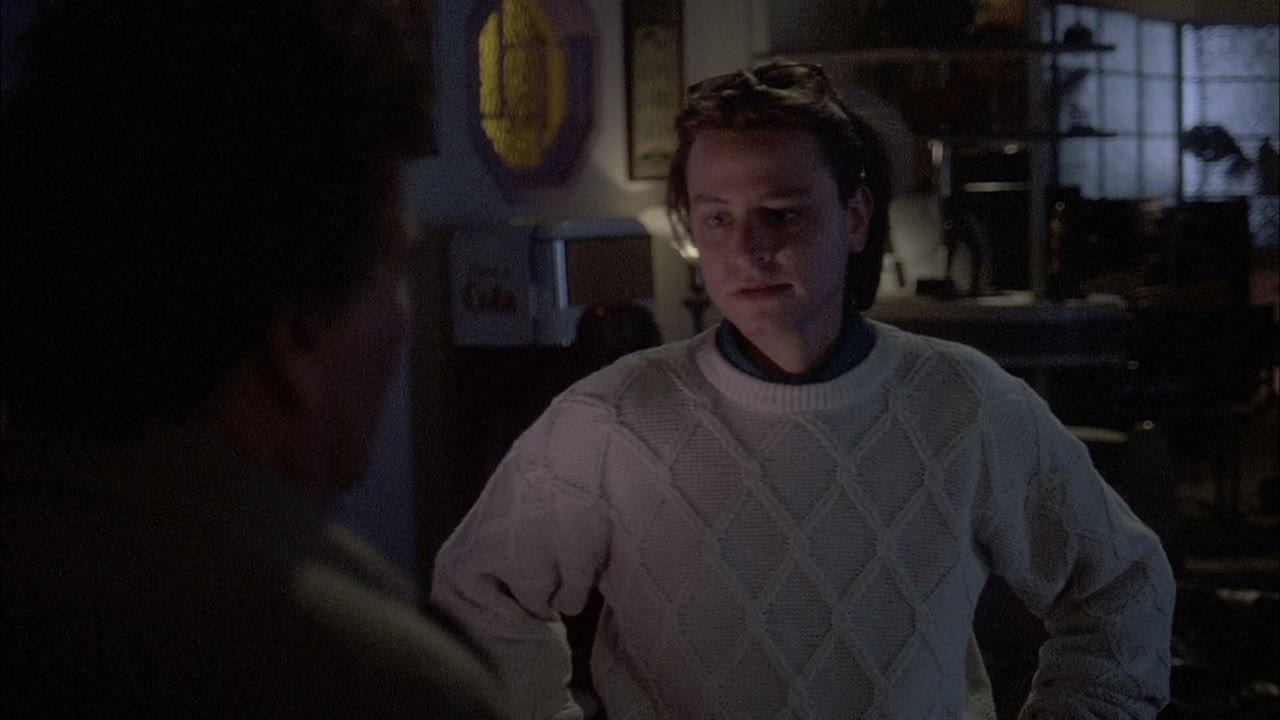
- Fisher Stevens as Alex Brady
- The victim
- Jeff Perry as Leonard Fisher
- Guest cast
- Fisher Stevens, Molly Hagan, Steven Hill, Jeff Perry, Nan Martin, Elizabeth Ruscio
Columbo is an inverted mystery: the murder opens the film and the killer is known from the first minutes. What you are watching for is how he proves it — see how the character works.
The murder
Alex Brady is a wunderkind director with a hit behind him and a secret in front of him: years earlier he killed his mentor's daughter, and Jackson Hall, an old friend, has worked it out and come to Los Angeles to say so.
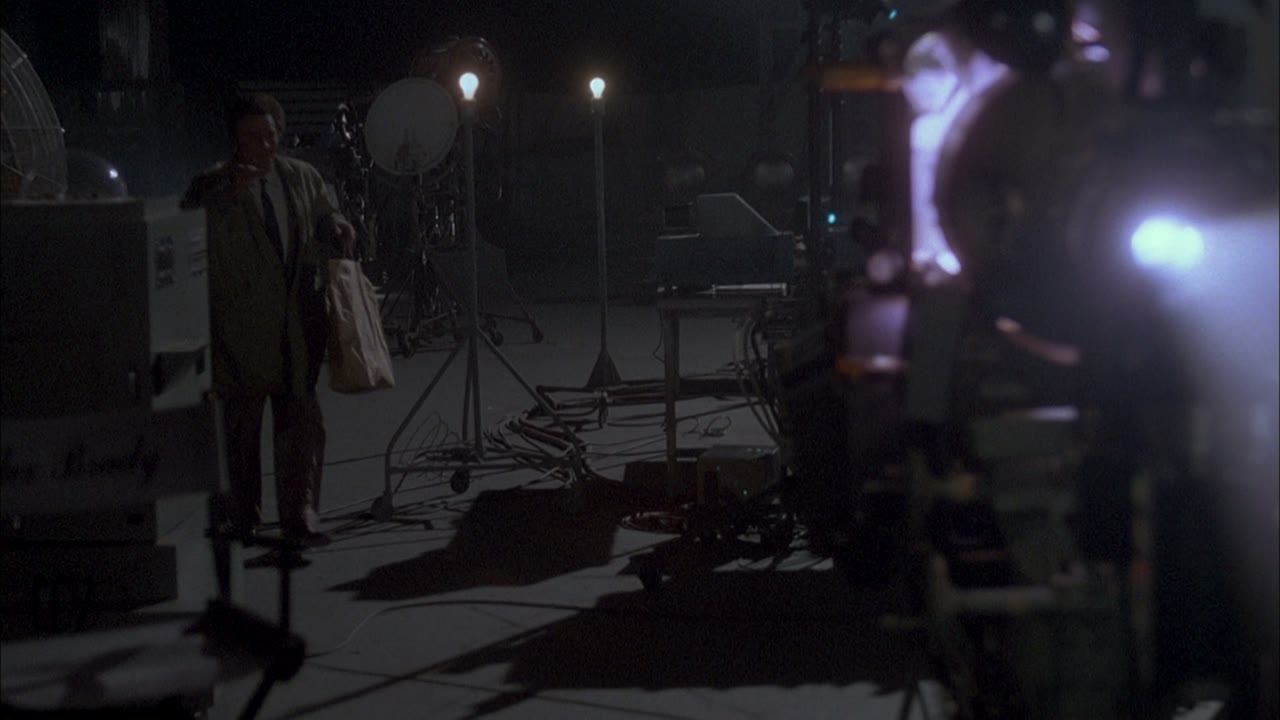
Brady kills him on a studio backlot and then uses the tools of his trade to dress the scene: effects equipment, a staged mishap, and the sort of controlled illusion he creates professionally.
The film leans hard on the meta-joke of a director staging a death for an audience, and the murder itself is genuinely clever — he uses machinery that everyone on the lot expects to see there.
Alex Brady's success is recent and enormous, and the film is specific about what that does to a young man: he has a studio, a following, and no memory of ever being told no. The earlier death — his mentor's daughter, years before — is the one thing that could take it away.
Jackson Hall arrives in Los Angeles because he has worked it out and cannot let it go. He is not blackmailing Brady; he wants him to admit it, which is considerably more dangerous.
The murder uses studio machinery, and the staging is meant to read as an accident with equipment that kills people occasionally. Brady's error is that he cannot resist improving it — the scene he leaves is a directed shot rather than an accident.
How Columbo gets him
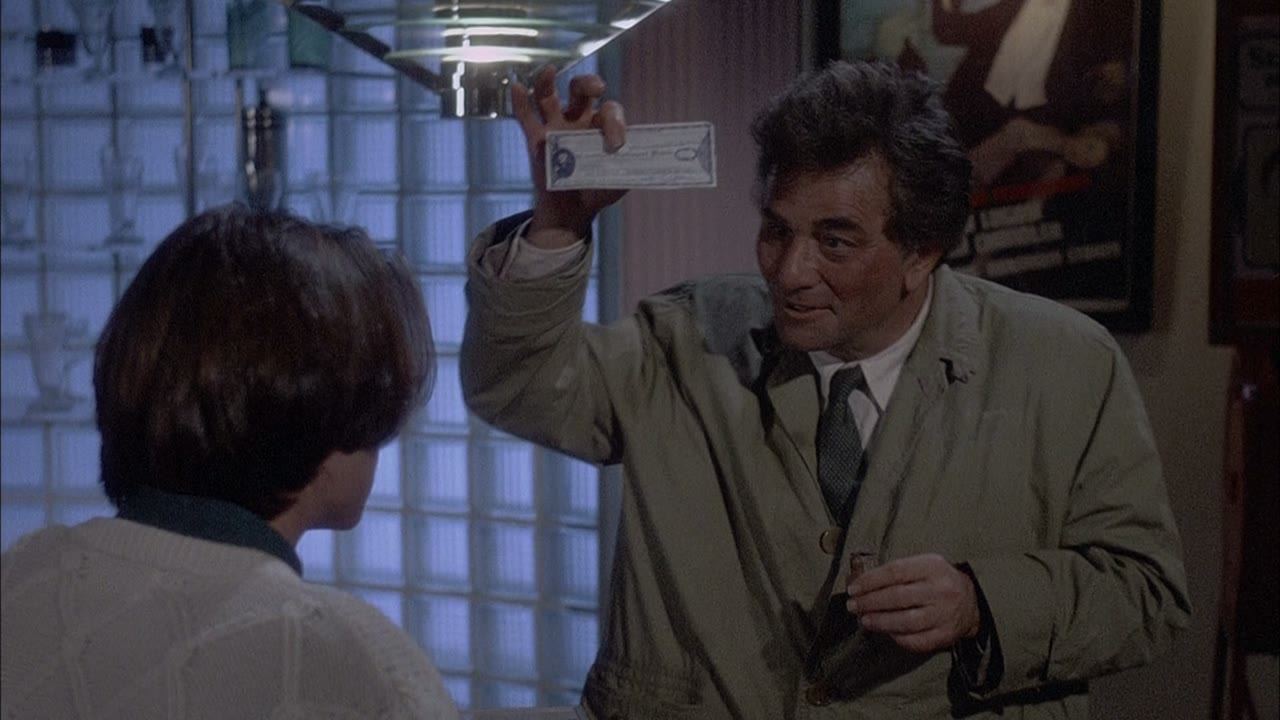
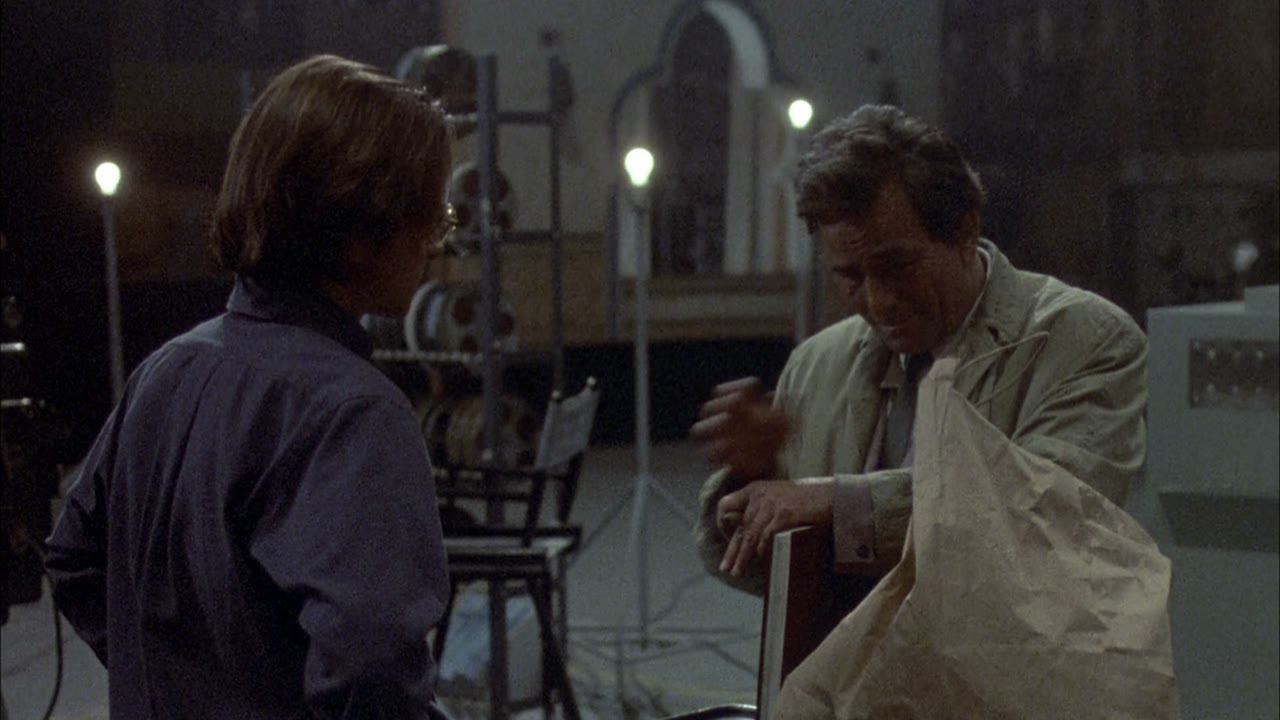
The backlot setting gives Falk some of his best comic material of the later run: he wanders through sets, gets in the way of shooting, and treats the entire apparatus of film-making as a series of interesting appliances.
Brady is the youngest murderer in the series and plays it as a man who genuinely believes his talent exempts him. He is rude in a way the older killers never are, which makes the eventual collapse more satisfying and less poignant.
The evidence is technical: what a particular piece of equipment can and cannot do, and who on the lot had access to it during the hour in question.
The backlot gives Falk one of his best comic runs of the second era: he interrupts filming, asks technicians what everything costs, and treats a special-effects department as a hardware shop with unusual stock.
Brady is openly contemptuous, which is a change from the smooth ones. He calls the lieutenant slow to his face, and Columbo lets him, because a young man showing off is a young man talking.
The technical case is about capability: what a specific machine can do, who can operate it, and how long the operation takes. It narrows to one person before the halfway point, and the rest of the film is about proof.
Worth knowing
- Fisher Stevens plays Brady; the character was written as a satire of the 1980s generation of young Hollywood directors.
- The episode is the most explicit about the murderer's earlier crime, which is unusual — most Columbo killers are first-timers.
- Directed by James Frawley, on his eighth of nine Columbo films.
- The hologram used in the finale was a genuine optical effect built for the production rather than a post-production insert.
- Fisher Stevens was twenty-five at the time, one of the youngest actors to play a Columbo murderer.
- Broadcast in February 1989, the second film of the ABC run.
Verdict
Uneven, and rather pleased with its own cleverness, but the finale is one of the boldest traps of the whole run: Columbo defeats a special-effects man with a special effect.
Brady is also a rarity — a Columbo villain with no charm at all, which makes the episode colder than the classic films but perfectly watchable.
Uneven, but the ending is one of the boldest in the series: the lieutenant defeats a man who manufactures illusions by manufacturing one better.
Brady also marks a shift in the kind of villain the later films would use — younger, ruder and considerably less interested in the game.
What the people who made it said
This is the first film shot after an almost eleven-year gap. Falk had become the movie star he had wanted to be, and came back on one condition.
“That was the first episode to be filmed after a more than ten-year, almost eleven-year break. He came back with his requirement that the show and the character remain the same: I'll continue Columbo, I won't reinvent Columbo.”
Spielberg wanted to direct the first film of the revival — he had directed the very first one in 1971. The schedule did not allow it, and the producer found a way round.
“Since he was not able to do it, the producer had an idea: what if our murderer was Steven Spielberg? So he created this episode, in which the villain is a hotshot young director obsessed with special effects.”
Quotes are in the speaker’s own words — from a transcript of the recording, or from the printed source. Players open at the right minute. Everything is shortened; the full version is in the source.
Familiar faces
Actors who turn up in the series more than once — sometimes in very different parts.
- Jerome Guardino as Sergeant Burke 4 episodes also in Forgotten Lady, Try and Catch Me, Make Me a Perfect Murder
- Stewart J. Zully as Sewell 3 episodes also in Sex and the Married Detective, It's All in the Game
- Molly Hagan as Ruth Jernigan 2 episodes also in Butterfly in Shades of Grey
Cast data from TMDB, including uncredited bit parts. All the familiar faces →