Home → Episodes → Forgotten Lady
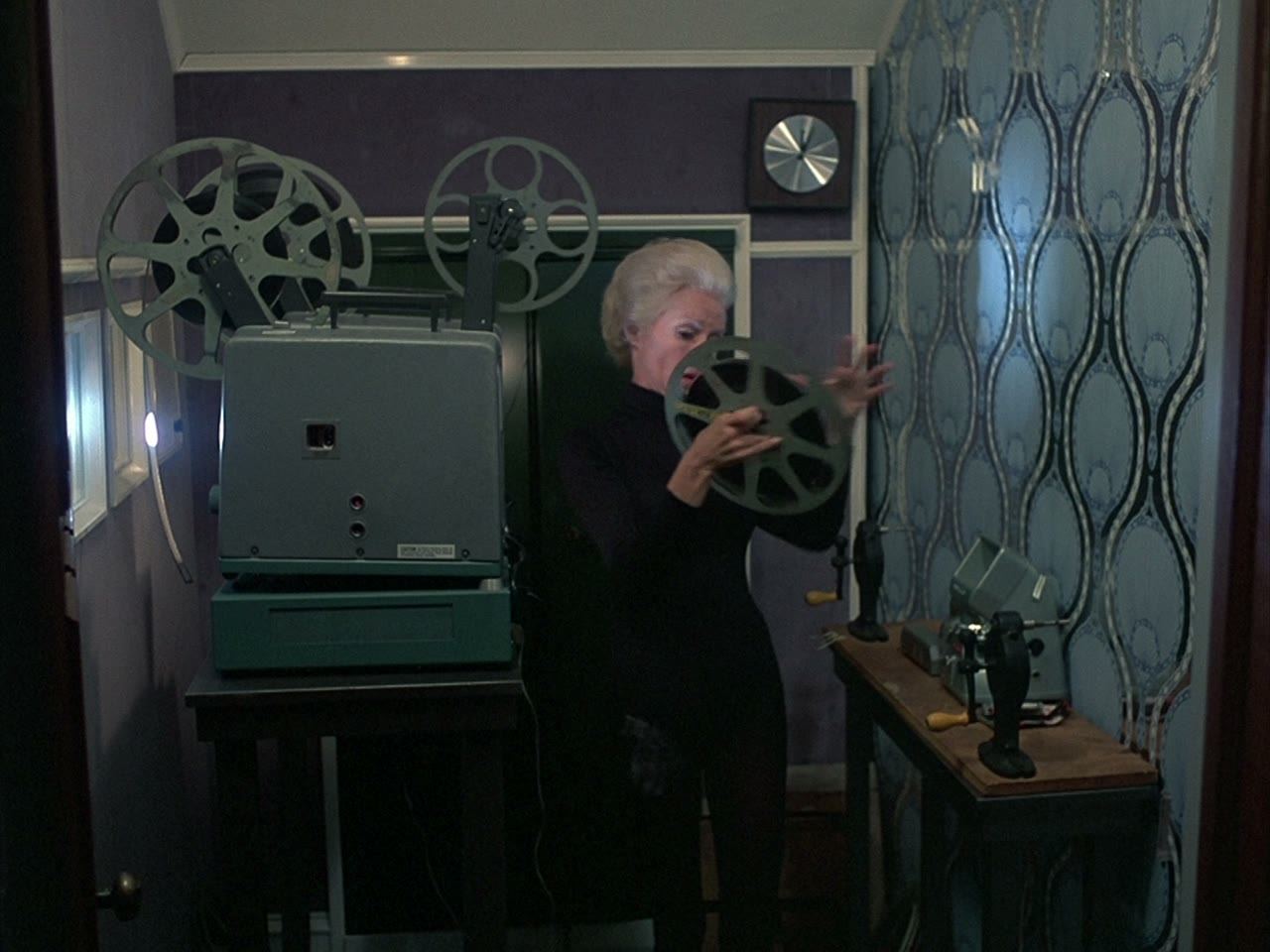
Forgotten Lady
Russian title: Забытая леди · Russian version
An ageing musical star shoots her husband because he will not fund her comeback, and Columbo lets her go. The only time in seventy films the lieutenant knowingly closes a case he has solved.
Editor’s rating — 9 out of 10.
- Number
- 32 of 69
- Aired
- September 14, 1975
- Running time
- 93 min
- Director
- Harvey Hart
- Writer
- William Driskill
- Music
- Jeff Alexander
The case
- The killer
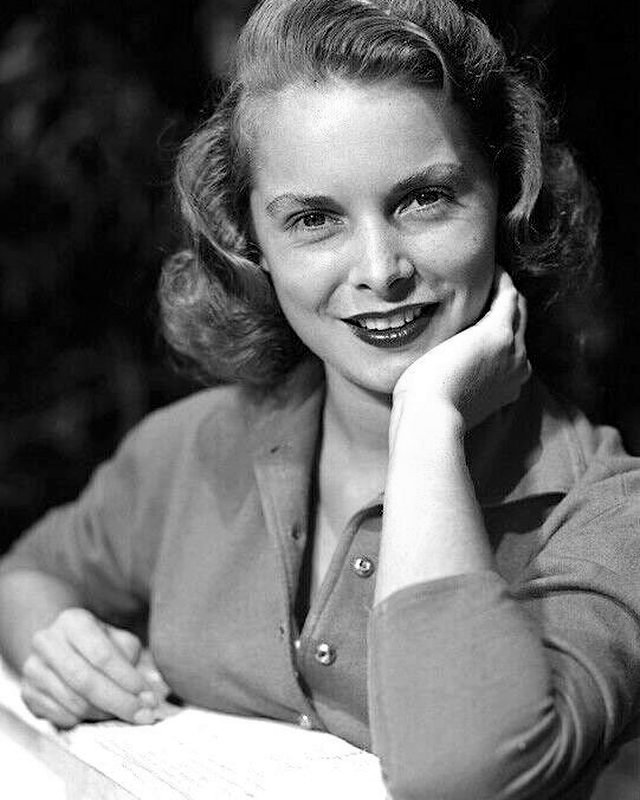
- Janet Leigh as Grace Wheeler
- The victim
- Sam Jaffe as Henry Willis
- Guest cast
- Janet Leigh, Sam Jaffe, John Payne, Maurice Evans, Harvey Gold, Linda Gaye Scott
Columbo is an inverted mystery: the murder opens the film and the killer is known from the first minutes. What you are watching for is how he proves it — see how the character works.
The murder
Grace Wheeler was a star of Hollywood musicals and has never accepted that the era ended. Her comeback — a stage show she intends to finance herself — depends on money her husband Henry, a doctor, controls and refuses to release.
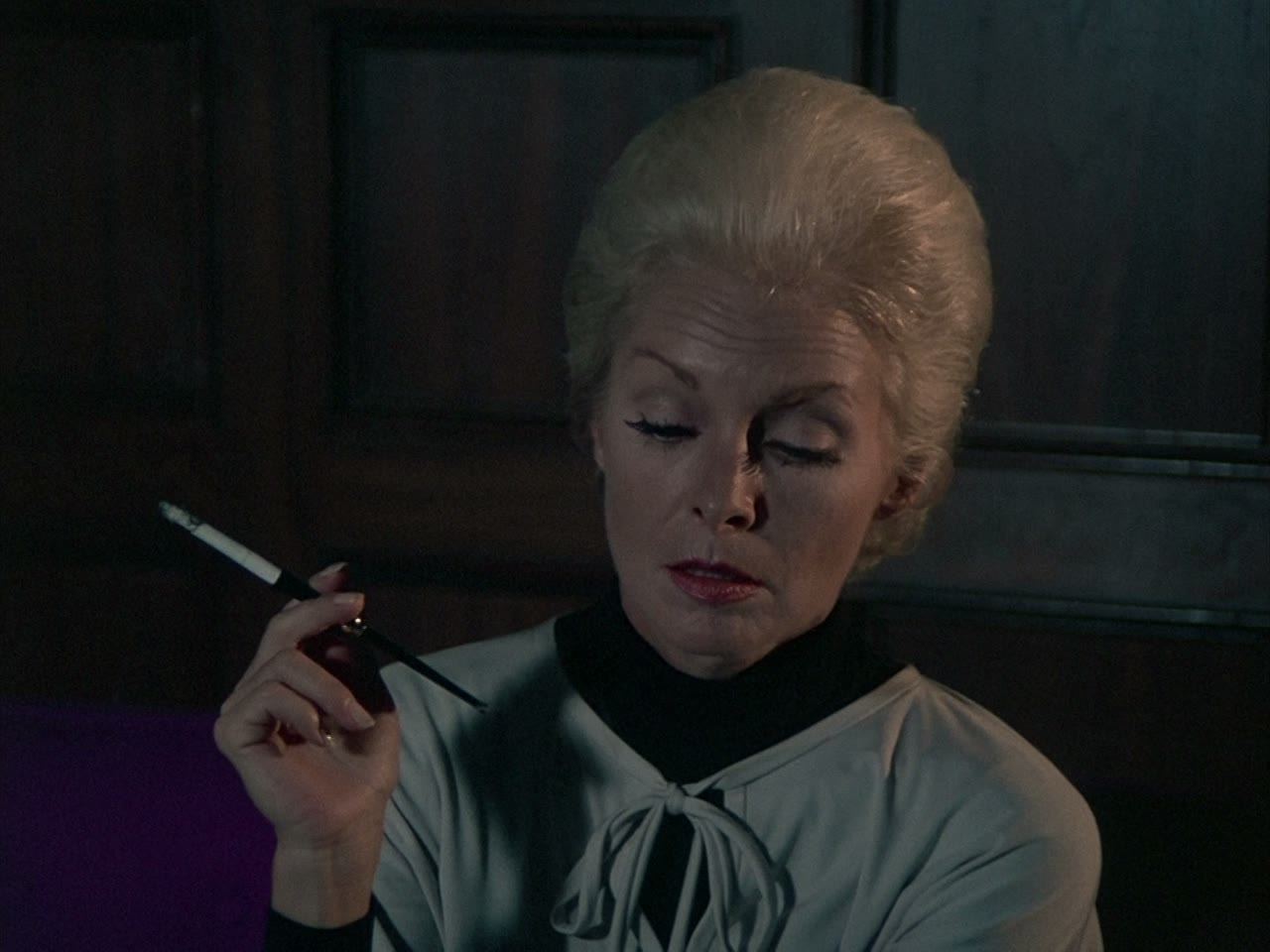
She shoots him in his study and stages a suicide, using an old film of her own as the alibi: she runs it in the projection room, times the evening around it, and enlists an old dancing partner, Ned Diamond, to confirm they watched it together.
The plan is competent, and Grace executes it with the professionalism of someone who spent thirty years hitting marks. What she cannot control is the reason her husband refused the money in the first place.
Grace Wheeler's house is a museum to her own career, and the comeback show is not a business plan but a refusal to accept that the career ended. Her husband Henry, a doctor, controls the money and will not release it.
She shoots him in the study and stages a suicide. The alibi is one of her own films, running in the projection room: she times the evening around it and enlists Ned Diamond, her old dancing partner, to say they watched it together.
The execution is professional. Thirty years of hitting marks means she can place herself precisely where she needs to be and hold a performance for as long as it takes.
How Columbo gets him
The film's structure is conventional until the last ten minutes, and then it does something the series never does again. Columbo assembles the case fully: the projection timing, the accomplice, the physical evidence at the scene. He can prove it.
Then he finds Henry's medical notes. Grace has an inoperable condition and a matter of months to live, and — crucially — she has been losing her memory. She does not consistently remember killing him.
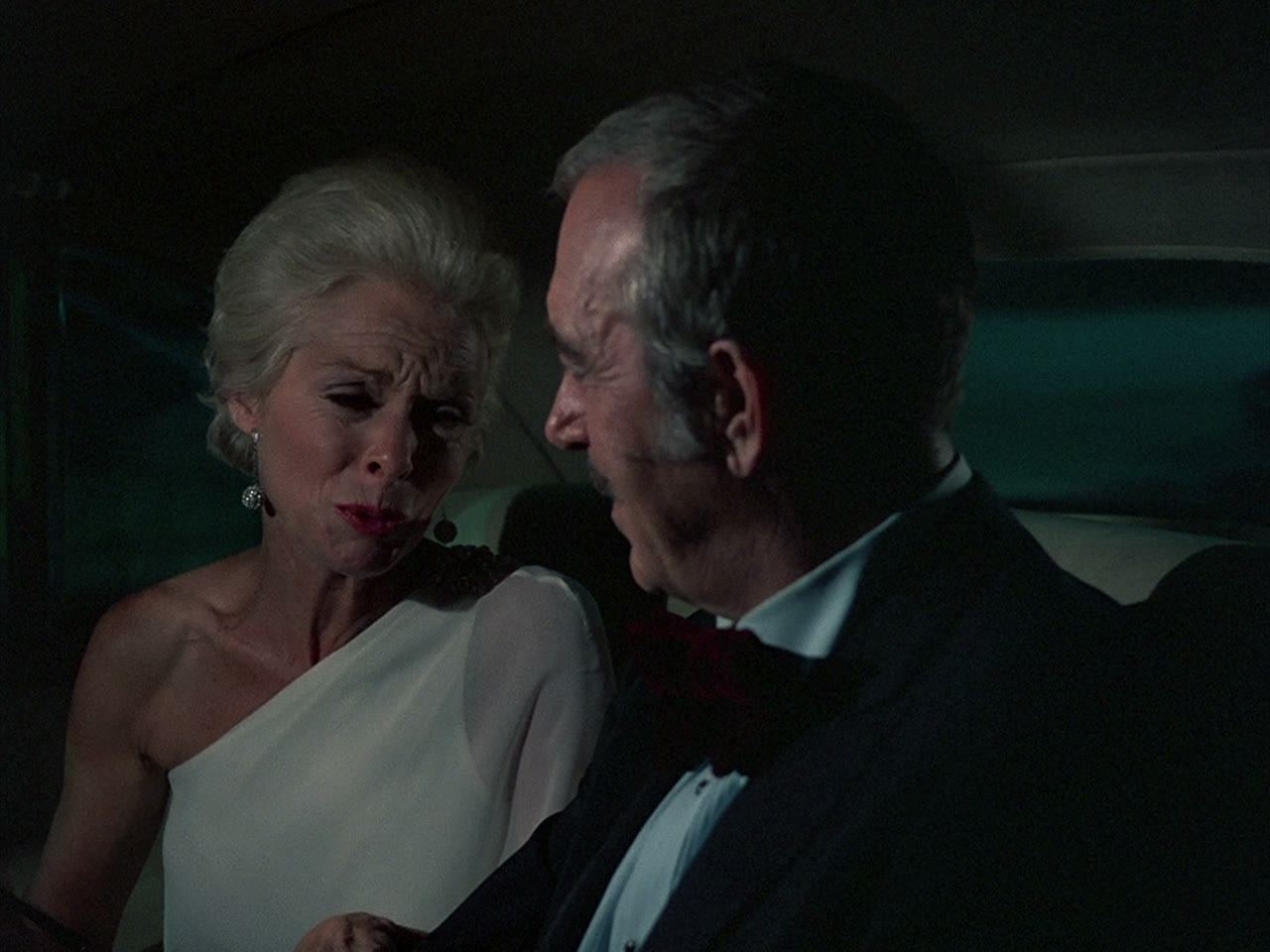
What Columbo does with that is the substance of the episode. He walks it back. He tells Ned Diamond, who has been protecting her all along and is willing to take the blame, that the case is being closed as a suicide, and he leaves. There is no arrest, no confession, no final trap.
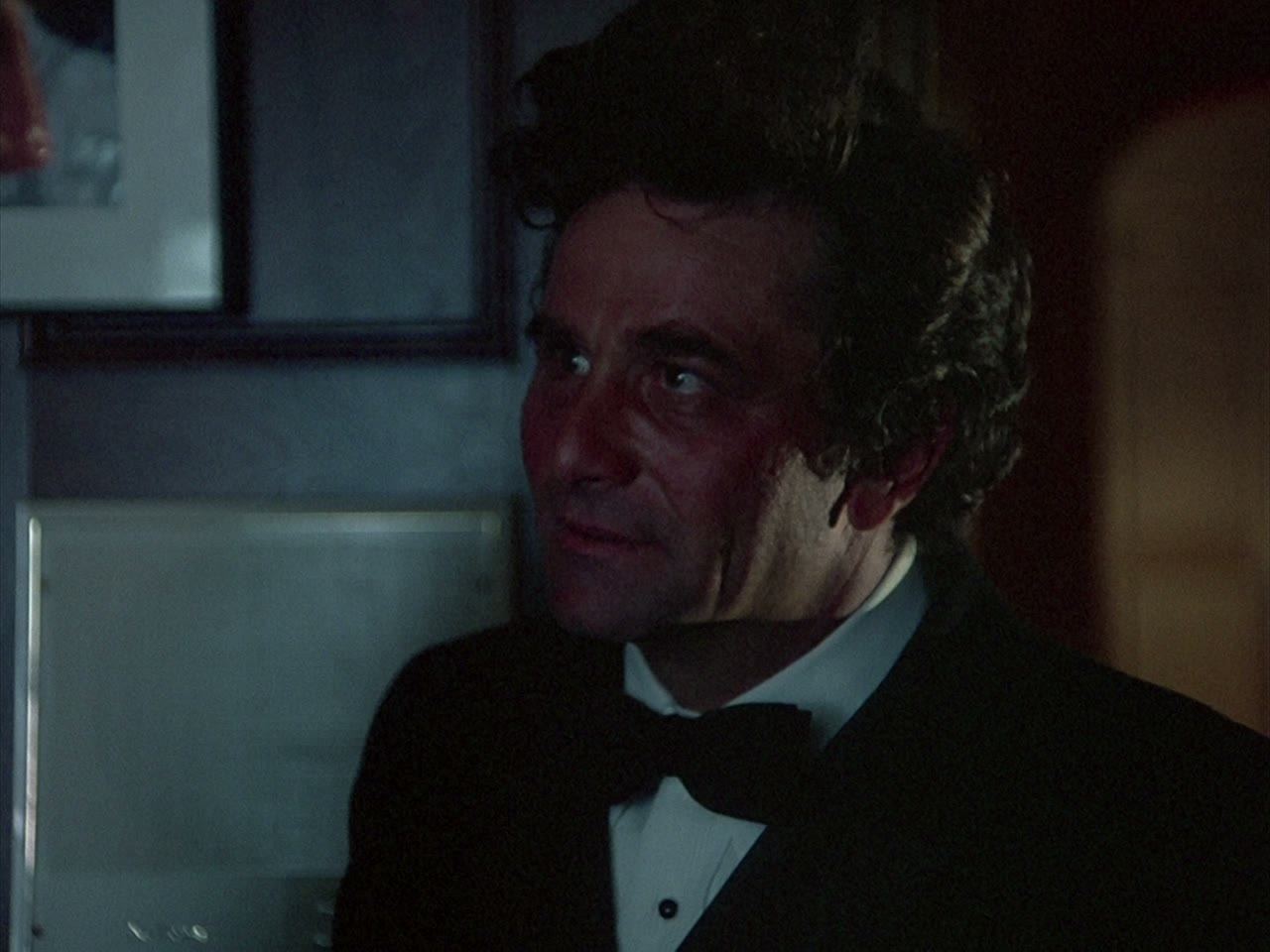
For most of its length this is a conventional Columbo, and a good one. The projection timing, the accomplice, the physical evidence at the scene — the lieutenant assembles a complete case with unusual speed.
Then he finds the medical file. Henry had refused the money because Grace has an inoperable condition and months to live, and because her memory is failing. She does not reliably remember the murder.
What he does next is the episode. He walks the case back, tells Ned Diamond — who has been protecting her all along and is willing to confess — that the death will be recorded as suicide, and leaves. No arrest, no confrontation, no final trap.
Worth knowing
- Janet Leigh, twenty-five years after Psycho, does her own dance sequences in the film-within-a-film footage.
- This is the episode where a colleague sits Columbo's firearms qualification for him, a detail fans cite as proof of how little he cares about the gun.
- John Payne, himself a star of 1940s musicals, plays Ned Diamond in his final screen role.
- Janet Leigh performs her own dance sequences in the film-within-a-film footage, twenty-five years after Psycho.
- This is the episode in which a colleague sits Columbo's firearms qualification for him.
- John Payne, a star of 1940s musicals, plays Ned Diamond in his final screen role; broadcast September 1975.
Verdict
The most emotionally complicated episode of the series and the one that most clearly separates Columbo from every other television detective. He is not interested in punishment; he is interested in the truth, and here the two come apart.
The last scene, in which he says nothing about what he knows and simply lets an old man take the weight, is Falk's finest piece of restraint in the whole run.
The most emotionally complicated hour of the series and the one that separates Columbo from every other television detective. He is not interested in punishment, he is interested in the truth — and here the two come apart completely.
Falk's silence in the last scene, as an old man takes the weight of something he did not do, is the finest piece of restraint in the run.
What the people who made it said
The chief complaint against the film is its length: a story whose clue is a movie running too long itself stretched to two hours.
“We had all kinds of problems getting that one to two hours.”
Quotes are in the speaker’s own words — from a transcript of the recording, or from the printed source. Players open at the right minute. Everything is shortened; the full version is in the source.
Familiar faces
Actors who turn up in the series more than once — sometimes in very different parts.
- Jerome Guardino as Harris 4 episodes also in Try and Catch Me, Make Me a Perfect Murder, Murder, Smoke and Shadows
- Harvey Gold as Coroner 3 episodes also in Negative Reaction, A Case of Immunity
- Danny Wells as Bookstore Clerk 2 episodes also in A Deadly State of Mind
Cast data from TMDB, including uncredited bit parts. All the familiar faces →