Home → Episodes → Etude in Black
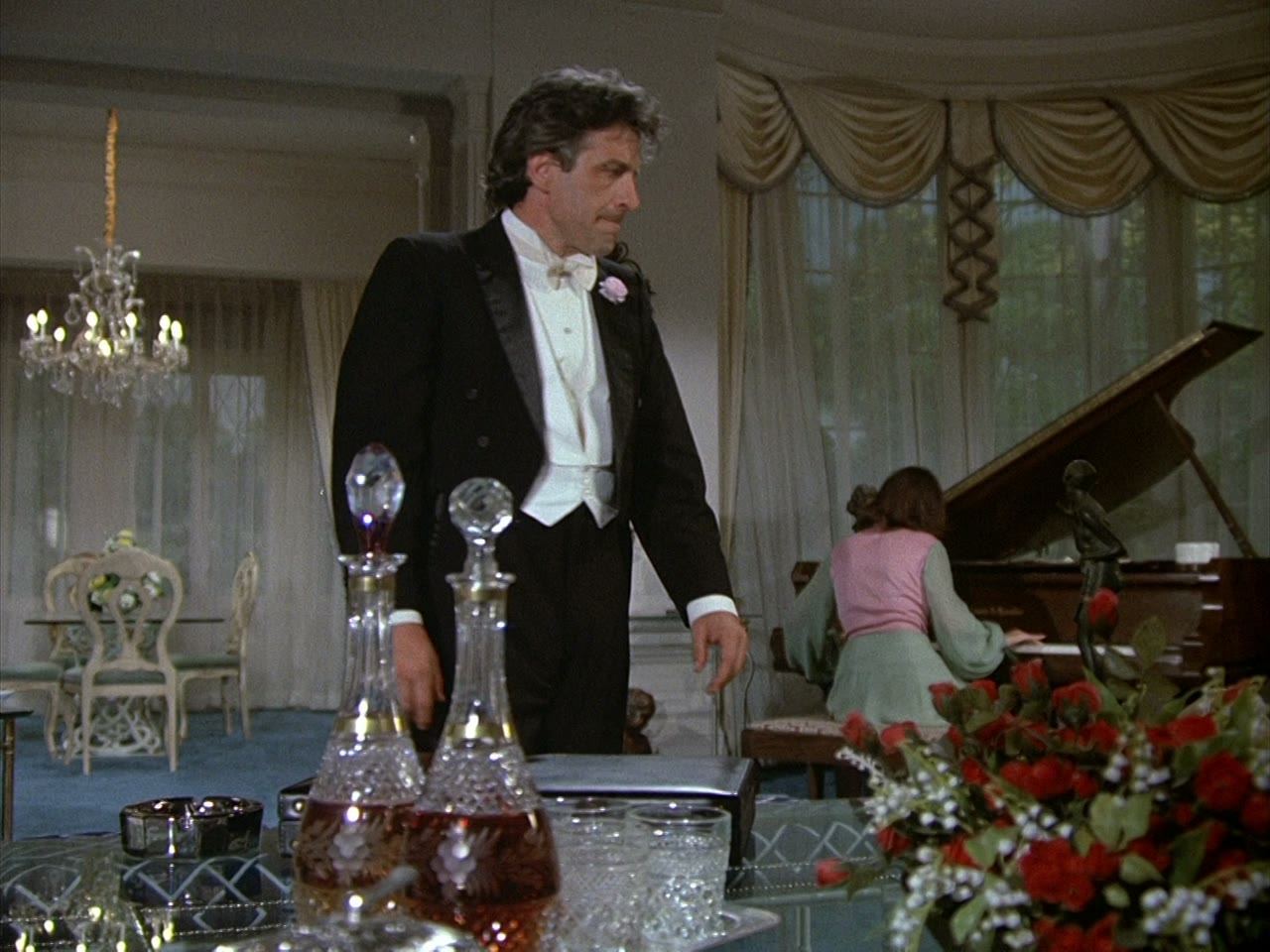
Etude in Black
Russian title: Этюд в чёрных тонах · Russian version
A celebrated conductor murders his mistress, a young pianist about to make their affair public, and stages it as a suicide. The film that gives Columbo his dog, and gives the series one of its warmest duels.
Editor’s rating — 9 out of 10.
- Number
- 10 of 69
- Aired
- September 17, 1972
- Running time
- 91 min
- Director
- Nicholas Colasanto
- Writer
- Richard Levinson & William Link / Steven Bochco
- Music
- Dick DeBenedictis
The case
- The killer
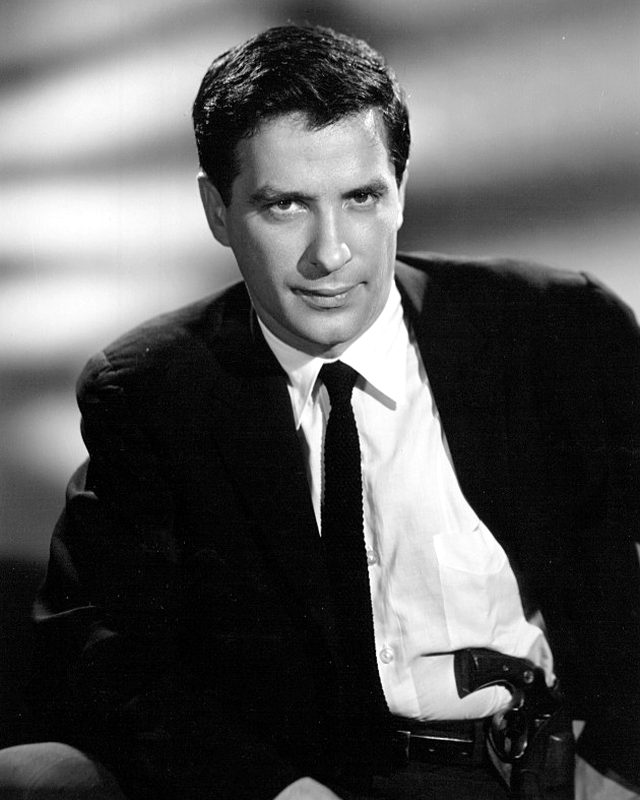
- John Cassavetes as Alex Benedict
- The victim
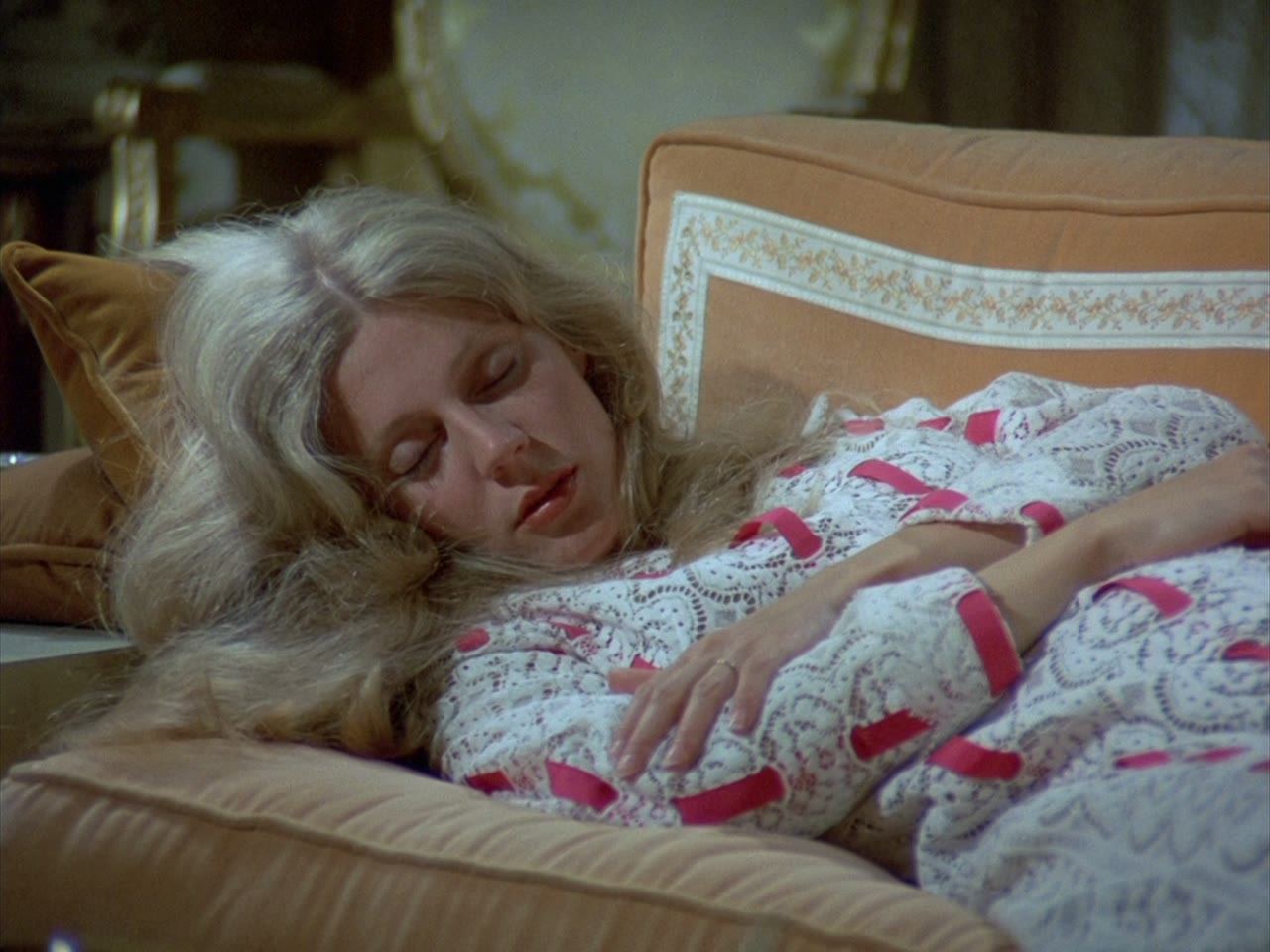
- Anjanette Comer as Jenifer Welles
- Guest cast
- John Cassavetes, Anjanette Comer, Myrna Loy, George Gaynes, Charles Macaulay, Blythe Danner
Columbo is an inverted mystery: the murder opens the film and the killer is known from the first minutes. What you are watching for is how he proves it — see how the character works.
The murder
Alex Benedict conducts the Los Angeles orchestra, is married to the daughter of its principal patron, and has been sleeping with a young pianist named Jenifer Welles. When Jenifer decides the arrangement is over and that she intends to say so publicly, everything Benedict has — the orchestra, the marriage, the money behind both — becomes conditional on her silence.
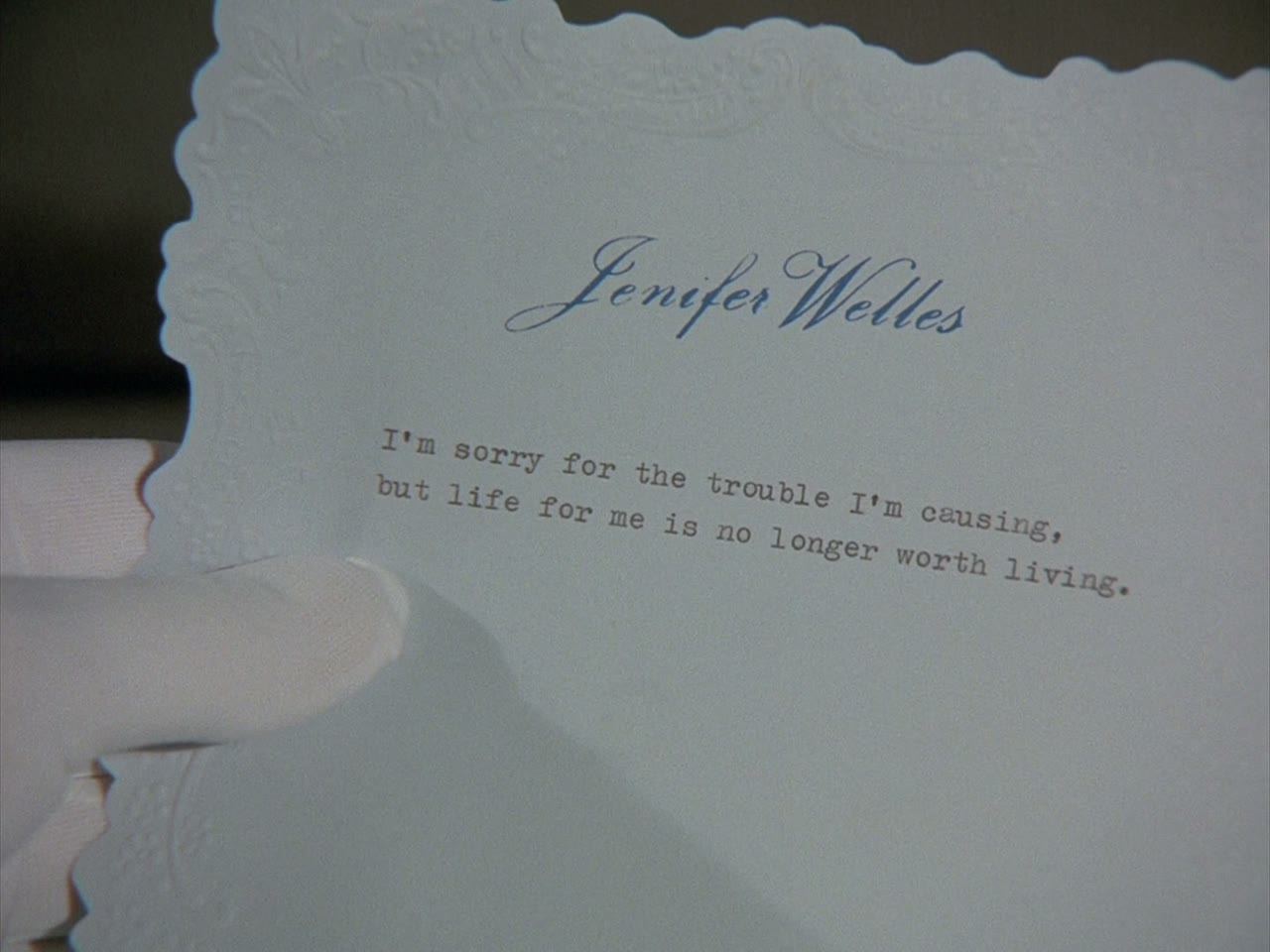
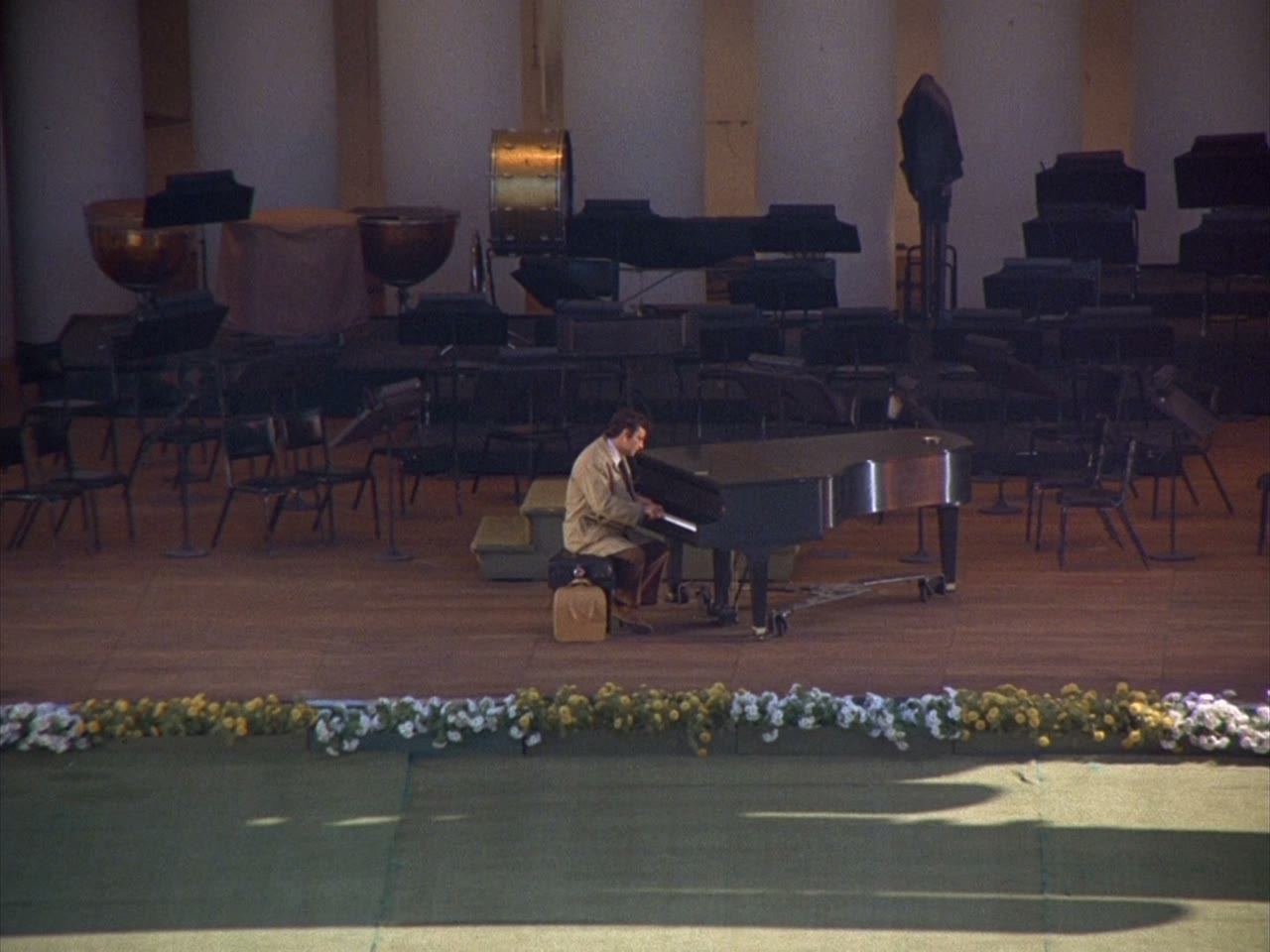
He leaves a rehearsal, drives to her house, and kills her there, arranging the room as a suicide: the note typed on her own machine, the gas turned on, the doors closed. Then he returns to the podium in time to be seen conducting, and the alibi is the performance itself.
The margin is minutes, and he handles it with the precision of a man who conducts for a living. What he does not account for is that a room he has arranged is a room he has been in.
Alex Benedict's position rests on his wife's family: they fund the orchestra, and the marriage is the arrangement that makes his career possible. Jenifer Welles, the young pianist he has been sleeping with, has decided to end the affair publicly.
He leaves a rehearsal, drives to her house and kills her there, then arranges the room: a typed note, the gas turned on, the doors closed. Suicide by a talented young woman who could not cope.
The margin is a matter of minutes, and he manages it with the precision of a man who conducts for a living. What he does not account for is that a room he has arranged is a room he has been in.
How Columbo gets him
Benedict is the first Columbo murderer the lieutenant seems to genuinely enjoy. Cassavetes and Falk were close friends off screen, and their scenes have a looseness the format rarely allows: interruptions, laughter, two men who like each other while one is quietly dismantling the other.
The suicide reading falls apart quickly on detail. The note is typed rather than written; the woman was a musician whose hands were her livelihood and the scene is arranged with a carelessness she would not have allowed; and there is the small matter of the car keys being where nobody who intended to die would leave them.
The chase is then about the missing minutes. Columbo reconstructs the rehearsal, the drive and the return, and finds that the conductor's account of an unbroken evening depends on nobody having looked at the podium at a particular moment. Several people did.
Benedict is the first Columbo murderer the lieutenant appears to genuinely enjoy. Cassavetes and Falk were close friends, and their scenes have a looseness the format rarely permits: interruptions, laughter, two men who like each other while one dismantles the other.
The suicide reading fails on detail. The note is typed, not written; the room is arranged with a carelessness a musician would not have allowed; and the car keys are where nobody intending to die would leave them.
The rest is the missing minutes. Columbo reconstructs the rehearsal, the drive and the return, and finds that the unbroken evening depends on nobody having looked at the podium at one particular moment. Several people did.
Worth knowing
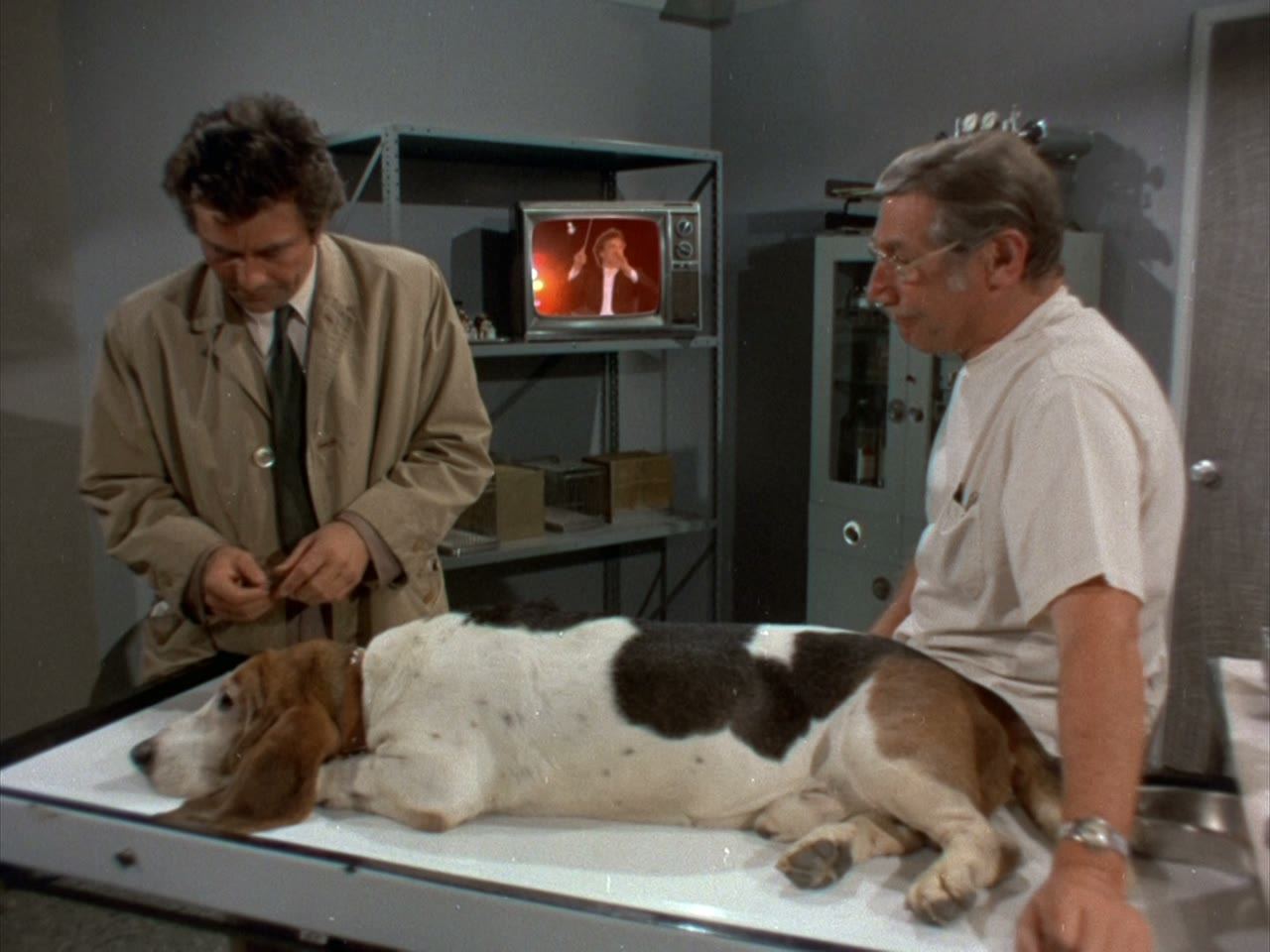
- This is the first appearance of Dog, the basset hound Columbo adopts from the pound and never gets round to naming. Falk had to argue for the animal's inclusion.
- John Cassavetes and Falk had already made Husbands together and would go on to A Woman Under the Influence and Mikey and Nicky.
- Blythe Danner plays Benedict's wife, and the episode gives her the quietest and most damning scene in it.
- This is the first appearance of Dog, the basset hound Columbo takes from the pound and never names; Falk had to argue for the animal's inclusion.
- Cassavetes and Falk had already made Husbands and would go on to A Woman Under the Influence and Mikey and Nicky.
- Blythe Danner plays Benedict's wife and is given the quietest and most damning scene in the film; broadcast September 1972.
Verdict
One of the very best. The mystery is solid, but the reason to watch is two actors who trust each other completely playing men who cannot afford to.
It also marks the moment the series stops being a clever format and starts being a character piece: Benedict is monstrous, and the film still lets you see why an orchestra would follow him anywhere.
One of the very best. The mystery is solid, but the reason to watch is two actors who trust each other completely playing men who cannot afford to.
It is also the point at which the series stops being a clever format and becomes a character piece: Benedict is monstrous, and you can still see why an orchestra would follow him anywhere.
What the people who made it said
Falk appeared on Carson the week this film premiered: it opened the second season, ran two hours instead of the usual ninety minutes, and moved from Wednesday to Sunday. He spoke about it unusually plainly — he rarely praised his own work.
“I've done about 15 Columbos and I think that this one is the best one I ever made.”
The dog, who first appears in this film, was an answer to NBC. The network wanted to give the lieutenant a young partner; the creators did not.
“The network wanted a young cop to be his sidekick. Bill, Bochco and I said, 'Let's give him a dog.' It was just a contemptuous swipe at the network.”
Quotes are in the speaker’s own words — from a transcript of the recording, or from the printed source. Players open at the right minute. Everything is shortened; the full version is in the source.
Familiar faces
Actors who turn up in the series more than once — sometimes in very different parts.
- Charles Macaulay as Durkee 3 episodes also in Ransom for a Dead Man, Mind Over Mayhem
- George Gaynes as Everett 2 episodes also in Any Old Port in a Storm
- Michael Fox as Dr. Benson 2 episodes also in The Most Dangerous Match
- James McEachin as Billy Jones 2 episodes also in Make Me a Perfect Murder
Cast data from TMDB, including uncredited bit parts. All the familiar faces →